 admin
admin 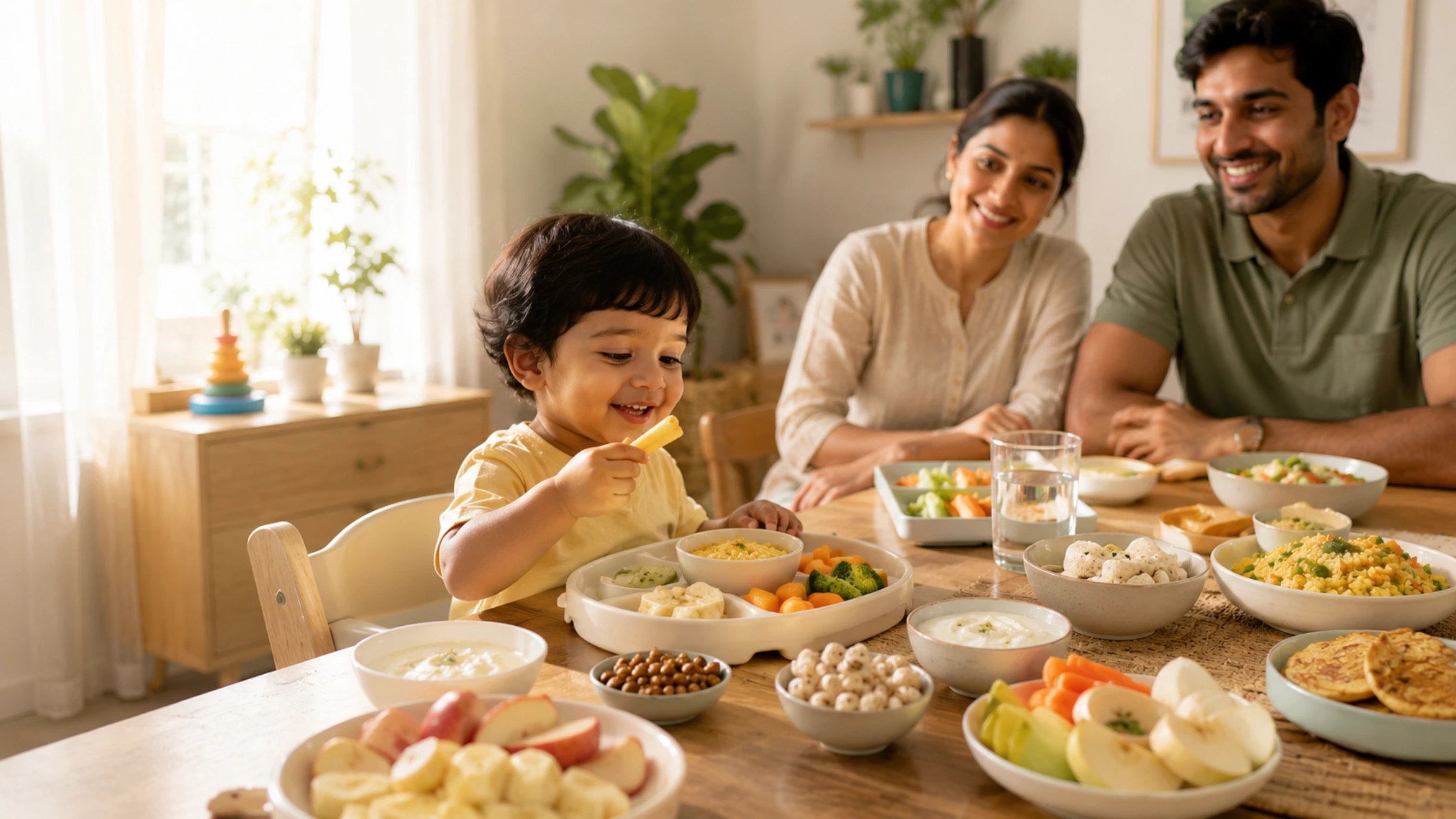
The toddler years are an exciting stage of growth, exploration, and developing lifelong food preferences. Understanding toddler nutrition can help parents feel more confident about supporting healthy growth while navigating picky eating, changing appetites, and busy family schedules.
Many parents worry whether their child is eating enough vegetables, getting the right nutrients, or developing healthy habits. The good news is that building a strong foundation with healthy toddler food, balanced meals, and consistent routines can support nutrition for growing children without making mealtimes stressful.
Whether your child happily tries new foods or only eats a handful of favorites, understanding the basics of balanced diet for toddlers, healthy snacks for toddlers, and age-appropriate feeding can help create positive eating experiences and support healthy development.
Why Toddler Nutrition Matters in Early Childhood
The toddler years are a period of rapid physical growth, brain development, and habit formation.
Good toddler nutrition supports:
- Healthy growth and development
- Energy for active play
- Learning and cognitive development
- Strong bones and muscles
- Development of lifelong eating habits
- Overall child nutrition
Many feeding behaviors established during toddlerhood often continue into school-age years and beyond.
Quick Answer: Why Is Toddler Nutrition Important?
Toddler nutrition helps provide the energy and nutrients needed for growth, development, learning, and everyday activity. A balanced approach to food also supports healthy eating patterns that can last throughout childhood.
Parent Scenario
A parent may worry when a toddler eats vegetables one day and refuses them the next. Fluctuating appetites are common during toddlerhood. Consistency, patience, and repeated exposure to foods often matter more than perfection.
What Nutrients Toddlers Need Most
Toddlers need a variety of nutrients to support healthy development.
Toddler Nutrient Breakdown Table
| Nutrient | Why It Matters | Food Sources |
| Protein | Supports growth and tissue development | Dal, eggs, paneer, yogurt |
| Calcium | Supports bones and teeth | Milk, curd, paneer, ragi |
| Iron | Supports growth and development | Lentils, spinach, beans |
| Healthy Fats | Supports brain development | Nuts, seeds, dairy |
| Fiber | Supports digestion | Fruits, vegetables, whole grains |
| Vitamin C | Supports nutrient absorption | Guava, oranges, tomatoes |
These nutrients form the foundation of nutrition for growing children and overall child wellness nutrition.
Balanced Toddler Plate Guide
A simple meal can include:
- Half plate fruits and vegetables
- One-quarter plate protein
- One-quarter plate whole grains
- Dairy or calcium-rich foods
This approach helps support a balanced diet for toddlers while remaining practical for Indian families.
Common Nutrition Gaps in Toddlers
Many parents face challenges that can affect toddler nutrition.
Common Toddler Nutrition Challenges
Picky Eating
Many children prefer familiar foods and may reject new options multiple times before accepting them.
Excessive Snacking
Frequent low-nutrient snacks can reduce appetite for balanced meals.
Limited Food Variety
Eating the same foods repeatedly may reduce dietary diversity.
Busy Family Schedules
Working parents often struggle to balance convenience and nutrition.
Myth vs Fact
| Myth | Fact |
| Toddlers must finish every meal | Appetite naturally varies day to day |
| Healthy eating means perfect meals | Consistency matters more than perfection |
| Picky eating means poor parenting | Picky eating is common during toddlerhood |
| Snacks are unhealthy | The right snacks can support nutrition goals |
Parents looking for healthy snacks for picky eaters often find that offering familiar foods alongside new foods encourages gradual acceptance.
Healthy Indian Foods for Toddlers
Traditional Indian foods can provide a strong nutritional foundation.
Healthy Indian Food Ideas
- Khichdi
- Vegetable upma
- Idli with sambar
- Daliya
- Paneer bhurji
- Moong dal chilla
- Soft chapati with vegetables
- Seasonal fruits
- Homemade yogurt
These foods can contribute to healthy toddler food, support nutrition for growing children, and encourage food variety.
Toddler Meal Planning Chart
| Meal | Example |
| Breakfast | Vegetable upma with fruit |
| Mid-Morning Snack | Banana or yogurt |
| Lunch | Dal, rice, vegetables |
| Evening Snack | Roasted chana or fruit |
| Dinner | Khichdi with vegetables |
Simple meal planning often helps reduce daily decision fatigue and supports toddler meal planning consistency.
Foods That Support Child Growth
Many parents search for foods that support healthy development.
Examples include:
- Protein-rich foods
- Fruits and vegetables
- Whole grains
- Dairy products
- Iron-rich foods
These are commonly included in recommendations around foods for child growth and best foods for toddlers.
How Snacks Affect Toddler Nutrition
Snacks play an important role in meeting the energy needs of active toddlers.
Benefits of Smart Snacking
The right snacks can:
- Support energy between meals
- Encourage nutrient intake
- Help maintain routine eating patterns
- Introduce new foods gradually
Healthy Snacks vs Junk Food
| Better Choices | Less Nutritious Choices |
| Fruit | Sugary snacks |
| Yogurt | Sugar-loaded beverages |
| Roasted chana | Highly processed snacks |
| Nuts (age appropriate) | Excessively salty foods |
| Homemade snacks | Foods with little nutritional value |
Healthy Snack Ideas
- Fruit slices
- Yogurt
- Vegetable sticks
- Whole grain crackers
- Roasted makhana
- Roasted chana
These options can support healthy snacks for kids, healthy snacks for toddlers, healthy snacks for children, and overall healthy nutrition for kids.
Many modern families also seek healthy snacks without preservatives India, healthy alternatives to processed snacks, and safe healthy snacks for toddlers that fit into busy routines.
Brands such as Tiny Tums reflect the growing demand for preservative-free nutrition, ingredient transparency, and practical convenience for parents seeking healthier food choices.
Healthy Portion Sizes by Age
One common concern among parents is understanding how much food toddlers actually need.
Portion Size Guide
| Age | Portion Guidance |
| 1-2 Years | Small portions offered multiple times daily |
| 2-3 Years | Gradually increasing meal variety and quantity |
| 3-4 Years | More structured meals and snacks |
Practical Rule
Toddlers often regulate their own appetite surprisingly well. Offering balanced choices while allowing children to decide how much to eat can help reduce mealtime stress.
Toddler Nutrition Checklist
- Include fruits daily
- Include vegetables daily
- Offer protein-rich foods
- Include calcium-rich foods
- Encourage water intake
- Maintain meal routines
- Offer healthy snacks for school lunch when needed
- Focus on food variety over perfection
Easy Nutrition Tips for Busy Parents
Balancing work, parenting, and meal preparation can feel overwhelming.
Practical Nutrition Tips
Plan Snacks Ahead
Keep:
- Fruit
- Yogurt
- Roasted chana
- Nuts (age appropriate)
- Homemade snacks
available for easy access.
Create Simple Meal Templates
Instead of planning every meal from scratch, use a flexible framework:
- Protein
- Grain
- Vegetable
- Fruit
Choose Convenient Nutrient-Rich Foods
Many parents today seek healthy snacks for working parents, healthy packaged snacks for school kids, and healthy packaged food options that fit into modern lifestyles.
When selecting packaged foods, look for:
- Simple ingredients
- Clear labeling
- Age-appropriate nutrition
- Ingredient transparency
Many families prefer clean label food, preservative free snacks, and products that align with their wellness goals.
Tiny Tums is one example of a maternal and child nutrition brand that supports healthier beginnings through preservative-free nutrition and ingredient transparency.
How to Improve Kids Eating Habits
Practical strategies include:
- Eating together as a family
- Offering variety regularly
- Avoiding pressure at meals
- Limiting distractions during eating
- Modeling healthy choices
These habits can support healthy food habits for children, healthy eating habits for kids, and long-term positive relationships with food.
When Parents Should Seek Pediatric Guidance
Parents should consult a healthcare professional if they have concerns about:
- Growth patterns
- Persistent feeding difficulties
- Food allergies
- Very limited food variety
- Nutritional concerns
- Significant weight changes
Professional guidance can help provide personalized support and reassurance.
Many parents find confidence by combining professional advice with trusted nutrition resources and brands such as Tiny Tums that emphasize transparency, child wellness, and parent reassurance.
References
- UNICEF – Nutrition and Child Development
https://www.unicef.org/nutrition
FAQs
A healthy diet for toddlers includes fruits, vegetables, whole grains, protein-rich foods, dairy products, and age-appropriate snacks. A balanced diet for toddlers focuses on variety, consistency, and nutrient-rich foods rather than perfection.
Key nutrients include protein, calcium, iron, healthy fats, fiber, and vitamins that support growth and development. These nutrients are essential for effective toddler nutrition and nutrition for growing children.
Most toddlers benefit from structured snacks between meals. Choosing healthy snacks for toddlers can help provide energy and support nutrient intake throughout the day.
Protein-rich foods, fruits, vegetables, whole grains, dairy products, and iron-rich foods are commonly included among the foods for child growth and support overall development.