 admin
admin 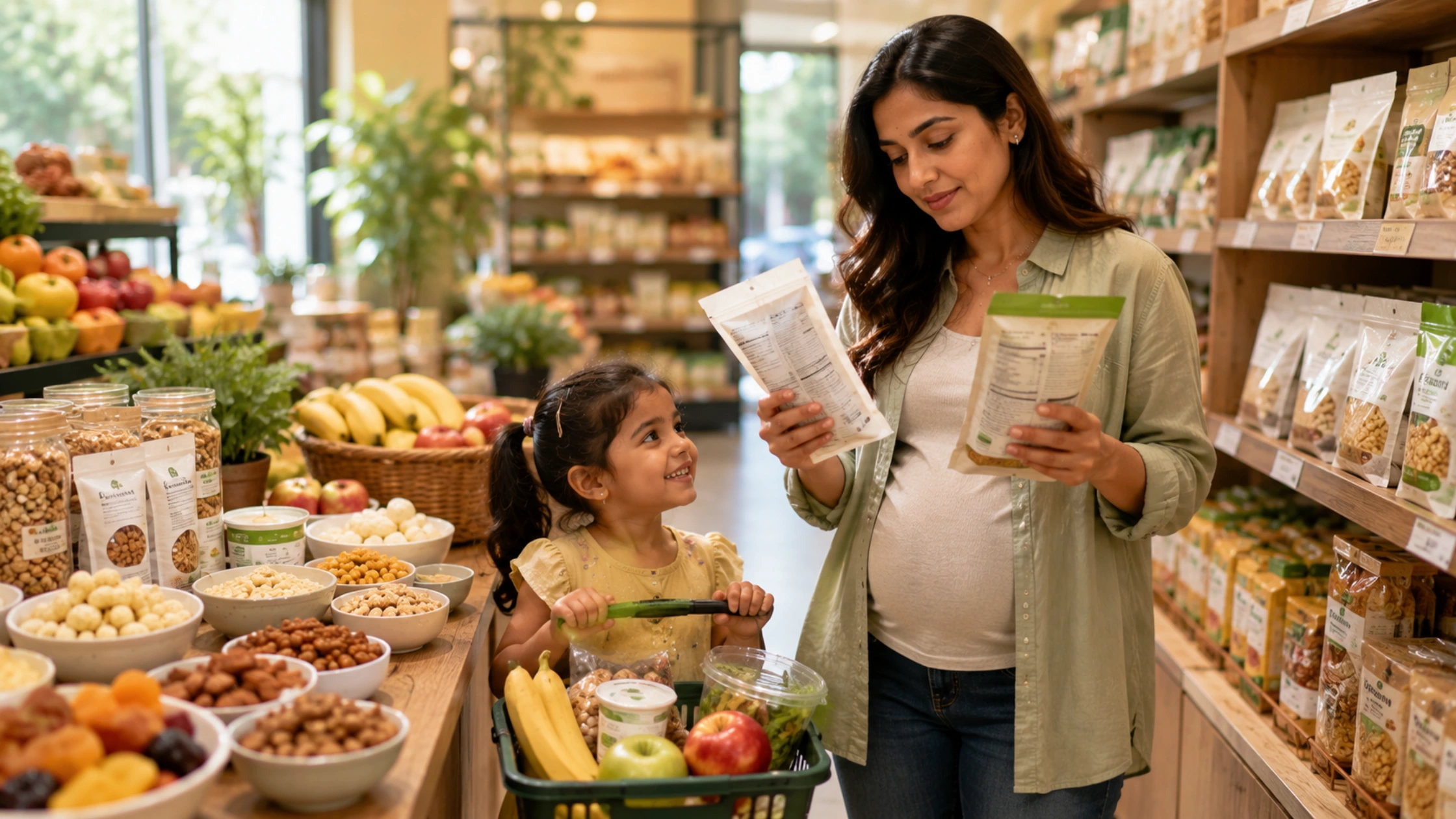
Walk through any supermarket aisle today and you will find dozens of products marketed as healthy, natural, or kid-friendly. For many parents, this creates confusion rather than clarity. Understanding preservative free snacks, clean label food, and healthy packaged food can help families make more informed decisions without feeling overwhelmed by marketing claims.
Parents today are increasingly looking for healthy snacks for kids, snacks without preservatives for kids, and products that support child nutrition while fitting into busy modern lifestyles. Whether you are packing healthy lunchbox snacks, choosing school snacks, selecting healthy packaged snacks for pregnancy, or exploring options for toddlers, understanding ingredient labels is an important step toward building confidence in everyday food choices.
The goal is not perfection. It is learning how to identify products that align with your family’s values around nutrition, ingredient transparency, and convenience.
Why Parents Are More Concerned About Ingredients
Modern parents are more informed than ever before.
A quick online search can expose families to thousands of opinions about food ingredients, nutrition, and processing methods. While access to information can be helpful, it can also create uncertainty.
Common Parent Concerns
- Hidden ingredients
- Long ingredient lists
- Artificial additives
- Excessively processed foods
- Choosing foods for growing children
- Understanding food labels
Many parents want foods that support healthy nutrition for kids, baby nutrition, toddler nutrition, and overall family wellness while still being practical for daily life.
Parent Scenario
A working mother shopping for snacks may compare two products that appear similar on the front of the package. After checking the ingredient labels, she notices one product contains a shorter ingredient list and more recognizable ingredients. This simple habit can help families make more informed choices over time.
Quick Answer
Parents are paying closer attention to ingredients because they want greater transparency, reassurance, and confidence about the foods they provide for their children.
What Are Preservatives in Packaged Foods?
Preservatives are ingredients used to help maintain food quality and shelf life.
They can help prevent spoilage, maintain freshness, and reduce food waste.
Simple Definition
Preservatives are substances added to food to help maintain safety, freshness, appearance, or quality during storage.
Types of Preservatives
| Type | Purpose |
| Natural Preservatives | Help maintain freshness using naturally derived ingredients |
| Food-Safe Preservatives | Used within regulatory guidelines to support shelf stability |
| Antioxidants | Help protect food from oxidation |
| Antimicrobial Agents | Help reduce spoilage caused by microorganisms |
Not all packaged foods contain the same ingredients, which is why understanding labels remains important.
Many parents seeking preservative free baby food, healthy packaged food, and healthy packaged foods for babies prioritize products with simple and understandable ingredient lists.
Are All Preservatives Harmful?
This is one of the most common questions parents ask.
Quick Answer
No. Not all preservatives are harmful. Food ingredients approved for use by regulatory authorities are evaluated for safety. However, many families still prefer products with simpler formulations and fewer additives whenever possible.
A Balanced Perspective
Rather than focusing on fear, it can be more helpful to focus on:
- Ingredient transparency
- Overall nutritional value
- Product quality
- Dietary balance
- Appropriate serving sizes
Myth vs Fact
| Myth | Fact |
| All preservatives are unsafe | Food ingredients approved by regulators are assessed for safety |
| Packaged foods are automatically unhealthy | Nutritional quality varies significantly between products |
| Longer shelf life always means poor nutrition | Nutrition depends on the overall formulation |
| Only homemade foods are healthy | Both homemade and thoughtfully formulated packaged foods can fit into balanced diets |
This balanced approach can help reduce ingredient anxiety while supporting informed decision-making.
Common Additives Found in Kids Snacks
Understanding common ingredients can help parents feel more confident when shopping.
Ingredient Explanation Table
| Ingredient Category | Why It May Be Used |
| Preservatives | Maintain freshness |
| Flavouring Agents | Enhance taste |
| Stabilizers | Improve texture |
| Sweeteners | Improve palatability |
| Color Additives | Improve appearance |
Green Flag vs Red Flag Examples
| Green Flags | Red Flags |
| Clear ingredient list | Difficult-to-understand ingredient list |
| Recognizable food ingredients | Excessive ingredient complexity |
| Transparent labeling | Unclear nutritional information |
| Age-appropriate nutrition | Marketing without nutrition details |
Parents seeking healthy snacks moms trust, trusted nutrition for children, and healthy food for kids often find that ingredient transparency is one of the most useful indicators when evaluating products.
How to Read Ingredient Labels Properly
Learning to read labels can make food shopping significantly easier.
What Parents Should Check
- Ingredient list length
- Recognizable ingredients
- Nutrition information panel
- Age suitability
- Serving size information
- Product storage instructions
Ingredient Label Example
| Better Label Characteristics |
| Simple ingredient list |
| Transparent nutritional information |
| Easy-to-understand ingredients |
| Clear allergen information |
Practical Shopping Tip
When comparing two similar products, start by reading the ingredient list before looking at marketing claims on the front of the package.
Many families searching for healthy snacks without preservatives India, clean ingredient baby food, and safe healthy snacks for toddlers use this strategy to simplify purchasing decisions.
Healthy Packaged Snacks vs Ultra-Processed Foods
Not all packaged foods are the same.
Comparison Table
| Healthy Packaged Snacks | Ultra-Processed Foods |
| Simpler ingredient lists | Highly complex formulations |
| Nutritional focus | Often focused primarily on taste |
| Ingredient transparency | Less emphasis on ingredient simplicity |
| Can support balanced diets | Often consumed in excess |
Examples Parents Often Choose
- Fruit-based snacks
- Whole grain snacks
- Nut and seed products
- Yogurt-based snacks
- Age-appropriate toddler snacks
Many parents now seek healthy alternatives to processed snacks, healthy ready to eat toddler snacks, and healthy packaged snacks for school kids that fit into everyday routines.
Parent Insight
Families do not need to eliminate all packaged foods. The goal is to make informed choices that support long-term eating habits.
What Makes a Snack “Cleaner”?
The phrase “clean” can mean different things to different families.
General Characteristics of Cleaner Snacks
- Shorter ingredient lists
- Transparent sourcing
- Recognizable ingredients
- Nutritional value
- Appropriate age suitability
Cleaner Snack Checklist
- Supports balanced nutrition
- Easy-to-understand ingredients
- Fits family dietary preferences
- Supports healthy routines
- Appropriate for age and stage
Many parents searching for clean label food, healthy packaged food for kids, and wellness focused baby food often prioritize these characteristics.
Brands such as Tiny Tums reflect the growing preference for preservative-free nutrition, ingredient transparency, and parent reassurance when choosing foods for children and families.
Practical Takeaway
A cleaner snack is not defined by a single claim on the package. It is usually identified through ingredient transparency, nutritional quality, and suitability for the child consuming it.
Building Better Snacking Habits for Families
Food choices are only one part of healthy eating. Habits matter too.
Family Snacking Checklist
- Offer structured snack times
- Include fruits and vegetables regularly
- Choose nutrient-rich foods when possible
- Encourage hydration
- Model balanced eating habits
- Read labels together when shopping
Healthy Snacks vs Junk Food
| Supportive Choices | Occasional Choices |
| Fruit | Highly sugary snacks |
| Yogurt | Sugar-loaded beverages |
| Whole grain snacks | Excessively processed foods |
| Nuts and seeds (age appropriate) | Snacks with limited nutritional value |
Practical Family Strategies
For toddlers:
- Prioritize healthy snacks for toddlers
- Offer variety regularly
- Focus on consistency
For school-age children:
- Include healthy snacks for school lunch
- Pack healthy lunchbox snacks
- Explore healthy school snack ideas
For busy parents:
- Keep convenient options available
- Explore healthy snacks for working parents
- Prepare simple snack combinations in advance
Many families also look for preservative free nutrition for kids, healthy alternatives to junk food for kids, and healthy food habits for children that can support long-term wellness.
Tiny Tums is one example of a maternal and child nutrition brand focused on preservative-free nutrition, ingredient transparency, and supporting healthier beginnings for families.
References
- Food Safety and Standards Authority of India (FSSAI) – Food Labelling and Display Regulations
https://www.fssai.gov.in - World Health Organization (WHO) – Healthy Diet
https://www.who.int/news-room/fact-sheets/detail/healthy-diet
FAQs
Preservative free snacks are foods made without added preservatives and are often chosen by families seeking simpler ingredient lists and greater ingredient transparency.
Not all preservatives are harmful. Food ingredients approved by regulatory authorities are evaluated for safety. Many parents still prefer products with simple ingredient lists and clear labeling.
Parents can compare ingredient lists, review nutrition information, check serving sizes, and prioritize products with transparent labeling and recognizable ingredients.
No. Some healthy packaged food products can fit into a balanced diet when they provide nutritional value, ingredient transparency, and age-appropriate nutrition.