 admin
admin 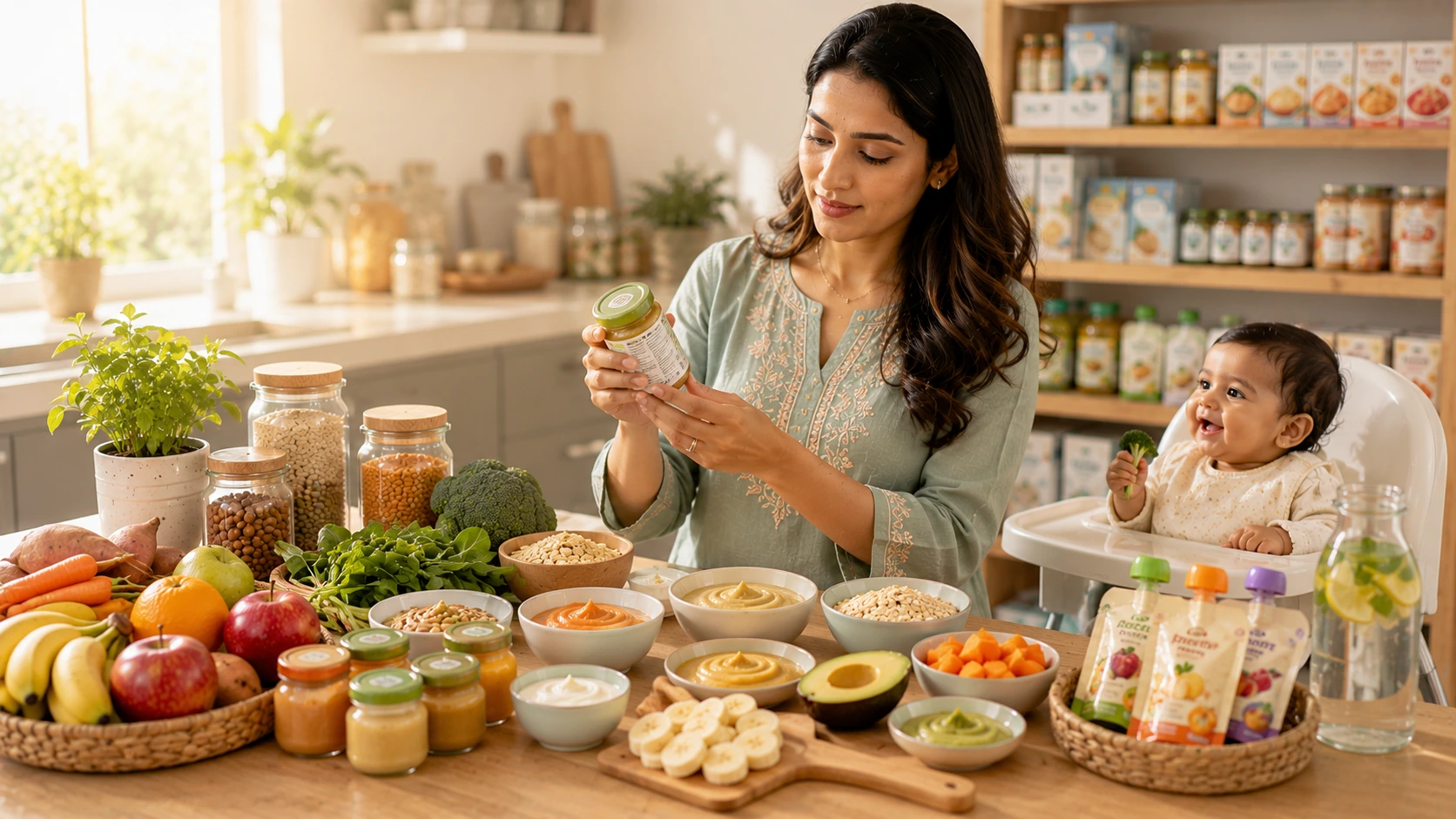
Parents today are paying closer attention to what goes into their baby’s meals. As awareness around ingredients grows, many families are exploring preservative free baby food, clean ingredient baby food, and options that support better baby nutrition during early development.
From supermarket shelves to online parenting communities, conversations around food quality, ingredient transparency, and nutrition have become increasingly common. Many parents want reassurance that the foods they choose align with their goals for healthy growth, safe feeding practices, and long-term wellness.
Understanding how to evaluate baby food, ingredient labels, and packaged nutrition options can help families make more informed choices without feeling overwhelmed.
Why Parents Are Concerned About Baby Food Ingredients
The first years of life are an important stage of growth and development. During this period, parents often pay extra attention to ingredient quality and nutritional value.
Common Parent Concerns
- Understanding unfamiliar ingredients
- Choosing age-appropriate foods
- Evaluating packaged food options
- Managing feeding uncertainty
- Supporting healthy development
Quick Answer
Parents are increasingly focused on ingredients because they want foods that support healthy growth, provide nutritional value, and align with their expectations around transparency and quality.
Parent Scenario
A first-time mother shopping for infant food may compare several products that appear similar. Clear ingredient lists and nutritional information often become important decision-making factors.
Parent Checklist
Before purchasing a product, many families consider:
- Ingredient transparency
- Nutritional value
- Age suitability
- Storage requirements
- Product quality standards
These priorities contribute to growing interest in healthy baby food, natural baby food, and healthy packaged food options.
What Preservatives Are Commonly Used in Packaged Foods?
Preservatives are ingredients used to help maintain product stability and shelf life.
Quick Definition
Preservatives help prevent spoilage and support product quality over time.
Common Preservation Methods
| Method | Purpose |
| Controlled packaging | Supports freshness |
| Moisture control | Helps maintain product quality |
| Heat processing | Supports food safety |
| Approved preservatives | Helps extend shelf life |
Important Note
Not all packaged foods contain the same ingredients, and food safety regulations vary by product category.
Ingredient Awareness Table
| What Parents Often Check | Why It Matters |
| Ingredient list length | Supports transparency |
| Recognizable ingredients | Easier understanding |
| Nutritional information | Informed decisions |
| Product labeling | Better product evaluation |
Many parents seeking preservative free baby food and healthy packaged food prefer products with simple ingredient lists they can easily understand.
Why Ingredient Transparency Matters
Ingredient transparency allows parents to make more confident feeding decisions.
Quick Answer
Transparency helps families understand what a product contains and how it may fit into their child’s overall nutrition plan.
Benefits of Ingredient Transparency
- Improved decision-making
- Better understanding of food choices
- Increased confidence
- Easier product comparisons
Transparency Checklist
Look for:
- Clearly listed ingredients
- Nutrition information
- Serving guidance
- Age recommendations
- Storage instructions
As awareness grows, many families seek clean ingredient baby food, healthy nutrition for kids, and nutrition products with straightforward labeling.
Are All Packaged Baby Foods Harmful?
A common misconception is that all packaged foods are unhealthy.
Quick Answer
No. Some packaged foods can be part of a balanced feeding approach when they provide nutritional value, quality ingredients, and appropriate serving sizes.
Myth vs Fact
| Myth | Fact |
| All packaged baby foods are unhealthy | Some packaged foods can support balanced nutrition |
| Longer shelf life automatically means poor quality | Food preservation methods vary |
| Homemade food is always superior | Both homemade and packaged foods can play a role |
| All packaged foods contain artificial ingredients | Ingredient profiles differ between products |
Parent Insight
Working parents often rely on convenient food options while still prioritizing nutrition. The goal is informed decision-making rather than avoiding packaged foods altogether.
What Makes Baby Food “Clean Label”?
The term clean label food is commonly used to describe products with simple, understandable ingredient lists.
Characteristics Often Associated With Clean Label Products
| Feature | Description |
| Simpler ingredients | Easier to understand |
| Transparent labeling | Clear information |
| Familiar food sources | Recognizable ingredients |
| Nutritional focus | Supports informed choices |
Parent Checklist
Many parents look for:
- Simple ingredient lists
- Minimal unnecessary additives
- Clear nutritional information
- Age-appropriate products
This growing preference is contributing to demand for clean ingredient baby food, natural baby food, and trusted baby food brands India.
Parent Scenario
A parent comparing two fruit puree products may choose the option with a shorter ingredient list because it feels easier to understand and evaluate.
Reading Baby Food Labels More Carefully
Reading labels can help families compare products more effectively.
Simple Label Reading Guide
Start with:
- Ingredient list
- Nutrition facts
- Serving size
- Expiry date
- Storage instructions
Label Reading Checklist
Before buying:
- Read ingredients first
- Compare products
- Review serving recommendations
- Check nutritional information
- Look for clear labeling
Quick Comparison Table
| Green Flags | Red Flags |
| Clear ingredient lists | Confusing labeling |
| Transparent information | Missing details |
| Age guidance | Unclear usage instructions |
| Nutritional information | Limited information |
These practices can help parents identify products that support child nutrition, baby nutrition, and healthy feeding routines.
Safer Packaged Food Choices for Babies
Parents often want practical guidance when selecting packaged foods.
What Many Parents Prefer
- Transparent ingredients
- Nutritional value
- Age-appropriate products
- Convenient formats
- Reliable quality standards
Better Choice Comparison
| Consider Looking For | Evaluate Carefully |
| Simple ingredients | Excessively complex formulations |
| Nutritional value | Limited nutritional contribution |
| Clear labeling | Unclear product information |
| Age suitability | Products without guidance |
Many parents now prefer baby foods with shorter ingredient lists and fewer artificial preservatives.
Brands such as Tiny Tums reflect the growing interest in preservative-free nutrition, ingredient transparency, and products designed to support healthier beginnings.
How Parents Can Build Better Feeding Confidence
Feeding confidence often develops through consistent learning and practical experience.
Confidence-Building Checklist
- Focus on overall nutrition patterns
- Read labels regularly
- Introduce variety gradually
- Follow age-appropriate feeding guidance
- Discuss concerns with healthcare professionals
Parent Reassurance
No parent makes perfect food choices every day. Building confidence comes from understanding nutrition basics, evaluating products thoughtfully, and making informed decisions over time.
Many families today seek healthy snacks for babies, healthy food for kids, and nutrition options that balance convenience with transparency. Tiny Tums reflects this shift toward preservative-free nutrition, clear ingredient communication, and parent-friendly food choices.
References
- UNICEF – Infant and Young Child Feeding
- Food Safety and Standards Authority of India (FSSAI)
https://www.fssai.gov.in
FAQs
What is preservative-free baby food?
Preservative free baby food generally refers to baby food products that do not contain added preservatives commonly used to extend shelf life. Parents often choose these products because they prefer simpler ingredient lists and greater ingredient transparency.
Are preservatives harmful to babies?
Preservatives used in food products are regulated by food safety authorities. Parents who have questions about specific ingredients should review product labels and consult healthcare professionals when needed.
How can parents identify safer baby foods?
Parents can compare ingredient lists, review nutritional information, check age recommendations, and look for transparent labeling when evaluating healthy baby food options.
What is clean label baby food?
Clean label food generally refers to products that emphasize simple ingredients, transparent labeling, and easy-to-understand formulations that parents can evaluate more confidently.