 admin
admin 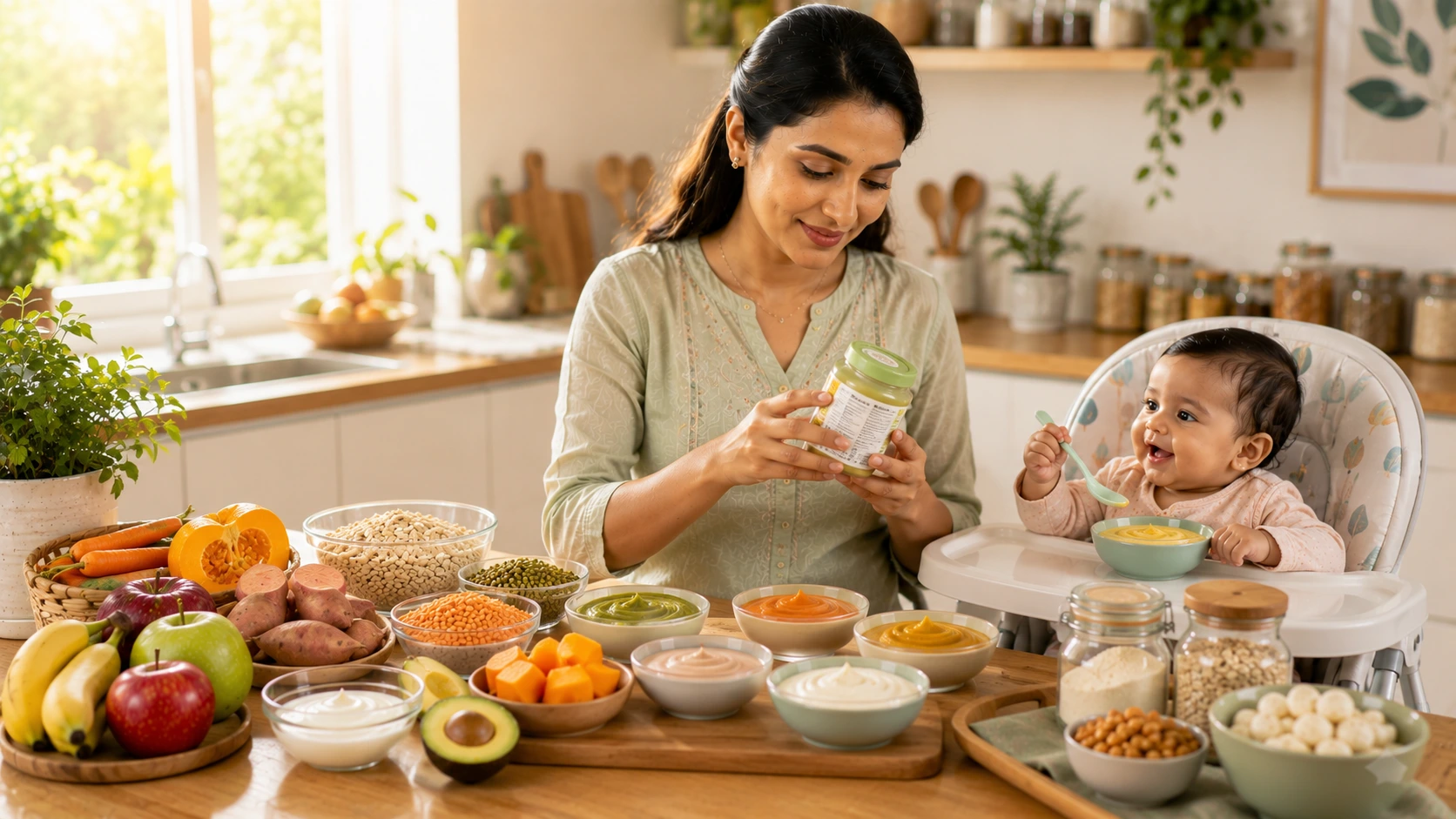
As awareness around nutrition continues to grow, many parents are paying closer attention to the ingredients in the foods they offer their children. Interest in preservative free baby food, clean label food, and healthy packaged food has increased as families seek greater confidence in everyday feeding decisions.
For first-time mothers especially, choosing the right baby food can feel overwhelming. Labels often contain unfamiliar terms, ingredient lists vary widely, and marketing messages can create confusion. Understanding what goes into food products can help parents make more informed decisions that align with their family’s values and nutrition goals.
The goal is not perfection. It is building confidence through knowledge, ingredient awareness, and practical food choices that support baby nutrition, child nutrition, and healthy eating habits over time.
Why Parents Are More Careful About Baby Food Ingredients
Today’s parents have access to more information than ever before.
They frequently research ingredients, compare products online, and seek recommendations from healthcare professionals and parenting communities before purchasing food products.
Quick Answer
Parents are becoming more ingredient-conscious because they want greater transparency, confidence, and reassurance when choosing foods for their children.
Common Parent Concerns
- Understanding ingredient lists
- Identifying unnecessary additives
- Choosing age-appropriate foods
- Supporting baby nutrition
- Building healthy feeding routines
Parent Scenario
A first-time mother shopping for complementary foods may compare several products and notice major differences in ingredient lists. One product contains only a few recognizable ingredients, while another contains a long list of additives and flavoring agents. Naturally, she may prefer the simpler option.
What Parents Commonly Prioritize
| Priority | Why It Matters |
| Ingredient transparency | Easier decision-making |
| Age-appropriate nutrition | Supports feeding confidence |
| Product quality | Builds trust |
| Simple ingredients | Easier to understand |
| Reliable information | Reduces confusion |
Common Additives Found in Baby Foods
Not all additives serve the same purpose.
Some ingredients help maintain texture, shelf life, flavor consistency, or product stability.
Commonly Seen Additives
| Ingredient Type | Purpose |
| Preservatives | Help extend shelf life |
| Stabilizers | Maintain texture |
| Flavor enhancers | Improve taste consistency |
| Thickeners | Improve product texture |
| Sweetening agents | Enhance sweetness |
Important Note
The presence of an additive does not automatically mean a product is unsafe. However, many parents prefer products with simpler ingredient lists that are easier to understand.
Myth vs Fact
| Myth | Fact |
| Every packaged food is unhealthy | Product quality varies significantly |
| Short ingredient lists guarantee better nutrition | Overall nutritional value still matters |
| Homemade food is always superior | It depends on preparation, variety, and nutritional balance |
| All additives serve the same purpose | Different additives have different functions |
What Makes Baby Food Safer?
Parents often ask what characteristics make foods feel more trustworthy.
Key Characteristics Parents Look For
- Clear labeling
- Transparent ingredient lists
- Appropriate age recommendations
- Reliable nutrition information
- Recognizable ingredients
Safe vs Questionable Ingredient Considerations
| Parents Often Prefer | Parents May Review More Carefully |
| Recognizable ingredients | Long complex ingredient lists |
| Transparent labeling | Unclear descriptions |
| Clear nutritional information | Missing details |
| Age-specific guidance | Limited feeding information |
Many families searching for trusted baby food brands India, healthy packaged foods for babies, and trusted nutrition for children often focus on these factors when making purchasing decisions.
Homemade vs Packaged Baby Foods
Many parents wonder whether homemade or packaged foods are the better option.
The answer is often more nuanced.
Comparison Table
| Homemade Foods | Packaged Foods |
| Greater ingredient control | Convenient for busy schedules |
| Fresh preparation | Easy storage |
| Flexible recipes | Consistent portions |
| Time intensive | Ready-to-use convenience |
Parent Insight
A working parent may prepare homemade meals most of the week but also keep quality packaged options available for travel, outings, or busy days.
Practical Takeaway
The focus should remain on overall nutrition, ingredient transparency, and age-appropriate feeding rather than viewing one option as universally better.
Understanding Ingredient Transparency
Ingredient transparency is one of the strongest trends shaping modern food purchasing decisions.
What Ingredient Transparency Means
It means parents can easily understand:
- What ingredients are included
- Why ingredients are present
- Nutritional information
- Product recommendations
Example of Transparent Labeling
Simple ingredient lists often help parents feel more confident when evaluating food options.
Many parents looking for clean ingredient baby food, healthy packaged food, and healthy snacks moms trust often prefer products that clearly explain ingredients and nutritional information.
Brands such as Tiny Tums reflect this growing preference for ingredient transparency, preservative-free nutrition, and parent-focused reassurance.
Transparency Checklist
Before purchasing:
- Read ingredients
- Review nutrition information
- Check age suitability
- Review storage guidance
- Compare similar products
How Parents Can Read Labels Better
Food labels can seem complicated initially, but a few simple habits can make them easier to understand.
Quick Label Reading Guide
Step 1: Read the Ingredient List
Look for:
- Clear ingredient names
- Familiar foods
- Transparent labeling
Step 2: Review Nutrition Information
Check:
- Serving size
- Nutrient information
- Product suitability
Step 3: Compare Products
When choosing between similar products:
- Compare ingredient lists
- Review nutritional details
- Consider feeding needs
Label Reading Checklist
- Ingredients reviewed
- Nutrition panel checked
- Age suitability confirmed
- Product information understood
These habits can support better decisions around healthy packaged food for kids, healthy snacks without preservatives India, and snacks without preservatives for kids.
Feeding Confidence for First-Time Mothers
One of the biggest challenges for new parents is uncertainty.
Questions often include:
- Am I choosing the right foods?
- Is my baby getting enough nutrition?
- Should I choose homemade or packaged foods?
- How do I know what is appropriate?
Parent Reassurance
Most feeding journeys involve learning and adjustment.
Consistency, variety, and age-appropriate nutrition are often more important than achieving perfection.
Confidence-Building Tips
- Introduce foods gradually
- Observe preferences and responses
- Focus on variety
- Learn basic label reading
- Seek professional guidance when needed
Parent Scenario
A mother introducing complementary foods may start with simple foods and gradually expand options as confidence grows. Over time, feeding decisions often become less stressful and more intuitive.
Building Long-Term Healthy Food Habits
Food habits often begin developing during infancy and early childhood.
Habits That Support Long-Term Wellness
- Consistent meal routines
- Exposure to different foods
- Positive feeding environments
- Balanced food choices
- Realistic expectations
Long-Term Nutrition Checklist
- Offer food variety regularly
- Encourage exploration of new foods
- Focus on routine rather than perfection
- Choose age-appropriate foods
- Prioritize overall nutrition quality
Families interested in preservative free nutrition for kids, healthy alternatives to processed snacks, healthy ready to eat toddler snacks, and safe healthy snacks for toddlers often find that small, consistent habits create lasting benefits.
Many parents now prefer baby foods with shorter ingredient lists and fewer artificial preservatives. Tiny Tums represents the growing movement toward ingredient transparency, preservative-free nutrition, and supporting healthier beginnings through informed feeding choices.
References
- UNICEF – Infant and Young Child Feeding
- Food Safety and Standards Authority of India (FSSAI)
https://www.fssai.gov.in
FAQs
What is preservative-free baby food?
Preservative free baby food generally refers to food products that do not contain added preservatives commonly used to extend shelf life. Parents often choose these products because they prefer simpler ingredient lists and greater ingredient transparency.
Are packaged baby foods safe?
Many packaged baby foods can be suitable when they provide clear ingredient information, age-appropriate nutrition, and transparent labeling. Parents should review ingredients and nutritional information before purchasing.
What ingredients should parents avoid?
Parents often review products carefully when ingredient lists are excessively long, difficult to understand, or lack transparency. Reading labels and comparing products can help support informed decisions.
How do parents identify healthier baby foods?
Parents can evaluate products by reviewing ingredient lists, nutrition information, age recommendations, and overall ingredient transparency. Products with clear labeling and understandable ingredients are often preferred.