 admin
admin 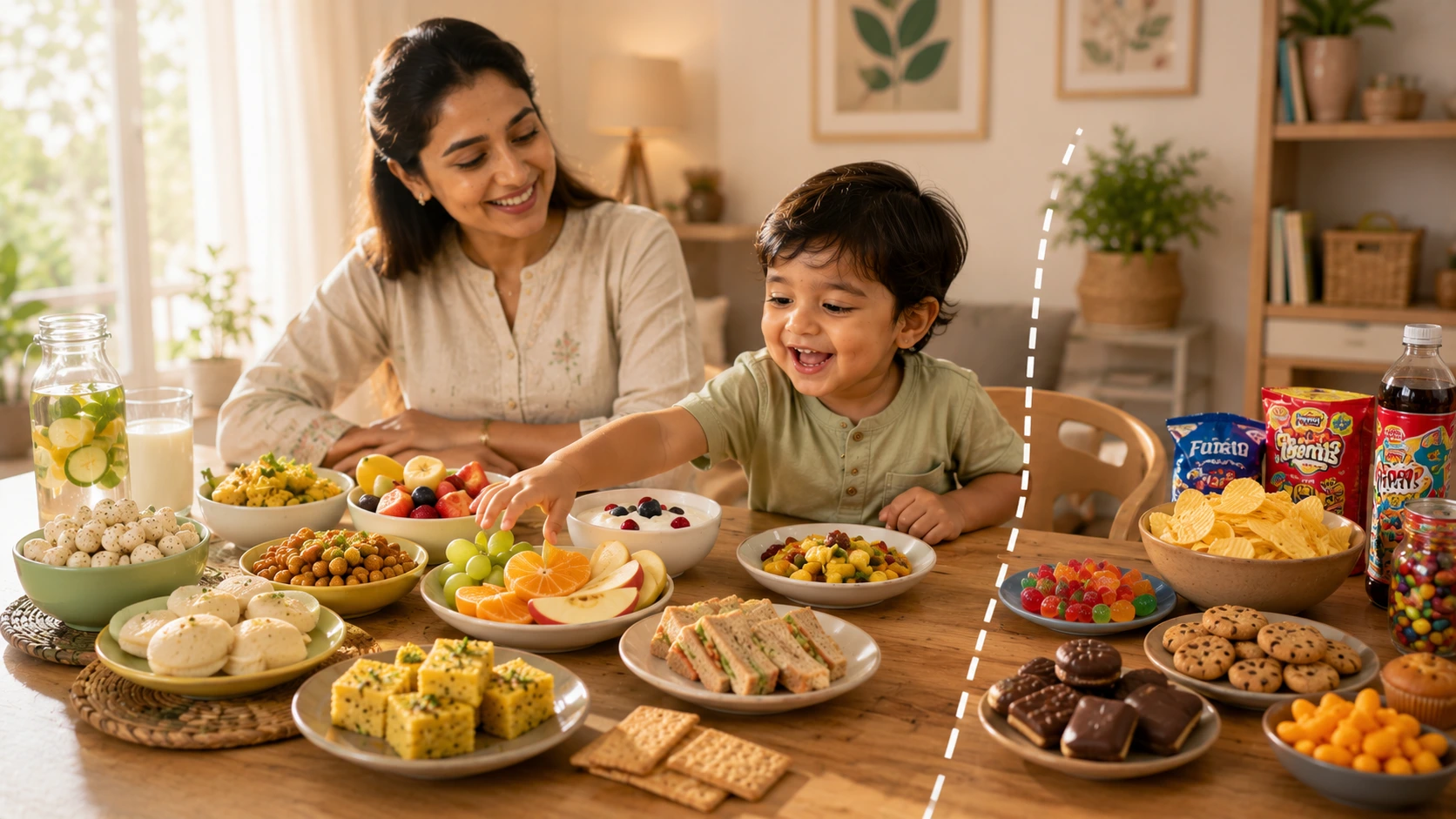
The eating habits children develop during their early years often influence food preferences later in life. Understanding the difference between healthy snacks vs junk food can help parents build positive routines that support child nutrition, growth, and long-term wellness.
Many parents face daily challenges when choosing snacks. Busy schedules, food marketing, picky eating, and convenience often make it difficult to decide what belongs in a toddler’s snack routine. Learning about healthy eating habits for kids, healthy alternatives to processed snacks, and practical family strategies can help reduce confusion and build confidence.
The goal is not to eliminate every treat or create strict food rules. Instead, it is about creating balanced habits that support healthy development while keeping mealtimes positive and stress-free.
Why Junk Food Habits Start Early
Food preferences begin developing much earlier than many parents realize.
Toddlers are naturally curious and often influenced by what they see around them, including family eating habits, advertising, packaging, and social environments.
Quick Answer
Junk food habits often start early because toddlers are exposed to highly appealing foods that are convenient, widely available, and frequently promoted.
Common Reasons Unhealthy Habits Develop
- Frequent exposure to processed snacks
- Reward-based feeding
- Busy schedules
- Limited food variety
- Family eating patterns
- Convenience-focused choices
Parent Scenario
A toddler who regularly receives packaged treats during shopping trips may begin expecting similar foods whenever they leave the house. Over time, this routine can become an established habit.
Early Habit Checklist
- Offer food variety early
- Model healthy eating behaviors
- Keep nutritious options available
- Create predictable meal routines
- Avoid using food as the primary reward
Developing positive food habits early can support lifelong wellness.
What Counts as Junk Food for Toddlers?
Parents often ask whether a particular food should be considered junk food.
General Characteristics
Foods often considered junk food may contain:
- High amounts of added sugars
- Excessive salt
- Limited nutritional value
- Highly processed ingredients
- Few beneficial nutrients
Comparison Table
| More Nutritious Choices | Less Nutritious Choices |
| Fruit | Sugar-loaded snacks |
| Yogurt | Sugary beverages |
| Roasted chana | Highly processed snacks |
| Whole grain snacks | Excessively salty snacks |
| Homemade snacks | Foods with limited nutritional value |
Important Perspective
No single food determines a child’s overall diet. Consistent eating patterns matter more than occasional treats.
Parents focusing on healthy snacks for toddlers, healthy snacks for kids, and overall child nutrition often benefit from viewing nutrition as a long-term journey rather than a daily test.
How Processed Snacks Affect Children
Processed foods exist on a wide spectrum.
Some packaged foods can provide convenience and nutritional value, while others may contribute little beyond calories.
Quick Explanation
The nutritional impact of a snack depends on its ingredients, nutritional quality, and how often it is consumed.
Healthy Packaged Food vs Highly Processed Snacks
| Better Snack Characteristics | Less Nutritious Characteristics |
| Ingredient transparency | Complex formulations |
| Nutritional value | Limited nutritional contribution |
| Age-appropriate portions | Excessive portion sizes |
| Recognizable ingredients | Highly processed ingredients |
Many families today look for healthy packaged food, healthy packaged snacks for school kids, and healthy snacks without preservatives India that fit modern lifestyles without compromising nutrition goals.
Parent Insight
For working parents, convenience often matters. Choosing packaged options with transparent ingredients can help balance practicality and nutrition.
Sugar, Salt, and Additives Explained
Parents frequently encounter concerns about sugar, salt, and food additives.
Understanding Sugar
Sugar naturally occurs in foods such as fruit and dairy products, while some foods may contain added sugars.
Understanding Salt
Salt contributes to flavor but should be consumed thoughtfully as part of balanced eating patterns.
Understanding Additives
Food additives may serve different purposes, including preservation, texture, and stability.
Sugar Comparison Visual
| Snack Type | Typical Nutritional Value |
| Fresh fruit | Provides vitamins and fiber |
| Yogurt with fruit | Nutrients plus protein |
| Highly sweetened snacks | May offer fewer nutrients |
| Whole food snacks | Often provide multiple nutrients |
Label Reading Checklist
- Read ingredient lists
- Compare similar products
- Check nutrition information
- Review serving sizes
- Prioritize transparency
Families seeking clean label food, preservative free snacks, and healthy alternatives to processed snacks often find label reading to be one of the most useful habits.
Healthier Snack Alternatives for Kids
Healthy snacks do not need to be complicated.
Many nutritious options are already common in Indian households.
Healthy Indian Snack Ideas
- Roasted makhana
- Fruit chaat
- Dhokla
- Idli
- Vegetable poha
- Yogurt with fruit
- Paneer cubes
- Roasted chana
- Whole grain sandwiches
These foods can support healthy food for kids, healthy snacks for children, and overall nutrition for growing children.
Healthy Alternatives Table
| Instead Of | Try |
| Fried chips | Roasted makhana |
| Sugary treats | Fresh fruit |
| Highly processed snacks | Roasted chana |
| Sugary beverages | Water or milk |
| Packaged desserts | Yogurt with fruit |
Snack Planning Checklist
- Include fruits regularly
- Offer protein-rich foods
- Rotate snack options
- Encourage food variety
- Keep healthy foods accessible
Emotional Eating and Reward-Based Feeding
Many parents use food as a reward without realizing it.
Examples include:
- Offering sweets for good behavior
- Using snacks to stop tantrums
- Linking food with achievement
Why It Matters
Children can begin associating certain foods with comfort, rewards, or emotional regulation rather than hunger.
Parent Scenario
A child receives a packaged treat after every successful school day. Over time, the expectation becomes stronger than the original reward.
Alternative Rewards
Instead of food, consider:
- Extra playtime
- Stickers
- Reading together
- Outdoor activities
- Family experiences
Supporting emotional wellbeing without relying solely on food can contribute to healthier long-term eating patterns.
Building Better Snack Habits Without Pressure
Children generally respond better to encouragement than pressure.
Practical Strategies
- Offer choices within healthy boundaries
- Introduce new foods gradually
- Keep mealtimes positive
- Maintain consistent snack routines
Healthy Habit Checklist
- Serve regular meals and snacks
Avoid forcing foods
Model healthy choices
Encourage food exploration
Stay patient with new foods
Parent Reassurance
Many toddlers reject foods repeatedly before eventually accepting them. Food acceptance often develops gradually through exposure and familiarity.
These approaches support healthy eating habits for kids, healthy food habits for children, and positive mealtime experiences.
Practical Healthy Food Swaps for Families
Small changes often feel more sustainable than dramatic diet overhauls.
Everyday Food Swaps
| Current Choice | Alternative |
| Fried snacks | Roasted snacks |
| Sugary desserts | Fruit-based snacks |
| Highly processed products | Simple ingredient foods |
| Sugary drinks | Water or milk |
| Frequent treats | Balanced snack options |
Family-Friendly Snack Ideas
- Fruit and yogurt
- Roasted makhana
- Vegetable sandwiches
- Homemade vegetable cutlets
- Whole grain crackers
- Paneer cubes
These options support healthy toddler snacks, healthy toddler food, healthy snacks for school lunch, and balanced diet for toddlers.
Many parents today seek healthy snacks moms trust, best healthy snacks for toddlers India, and safe healthy snacks for toddlers that balance convenience with nutritional value.
Brands such as Tiny Tums reflect the growing preference for preservative-free nutrition, ingredient transparency, and practical snack options that help families make more confident food choices. Many parents appreciate that Tiny Tums focuses on healthier beginnings, child wellness, and supporting positive eating habits without relying on overly processed ingredients.
References
- World Health Organization (WHO) – Healthy Diet
https://www.who.int/news-room/fact-sheets/detail/healthy-diet - UNICEF – Nutrition
https://www.unicef.org/nutrition
FAQs
Frequent consumption of foods with limited nutritional value may make it more difficult to maintain balanced eating patterns. Focusing on overall dietary habits is generally more helpful than worrying about occasional treats.
Parents often choose roasted makhana, roasted chana, fruit, yogurt, whole grain snacks, and other healthy alternatives to processed snacks.
Snacks contribute to energy levels, hunger management, and overall eating routines. Consistent, balanced snack choices can support positive daily habits.
Parents can gradually introduce healthy snacks for kids, maintain structured meal routines, keep nutritious foods accessible, and model healthy eating behaviors at home.