 admin
admin 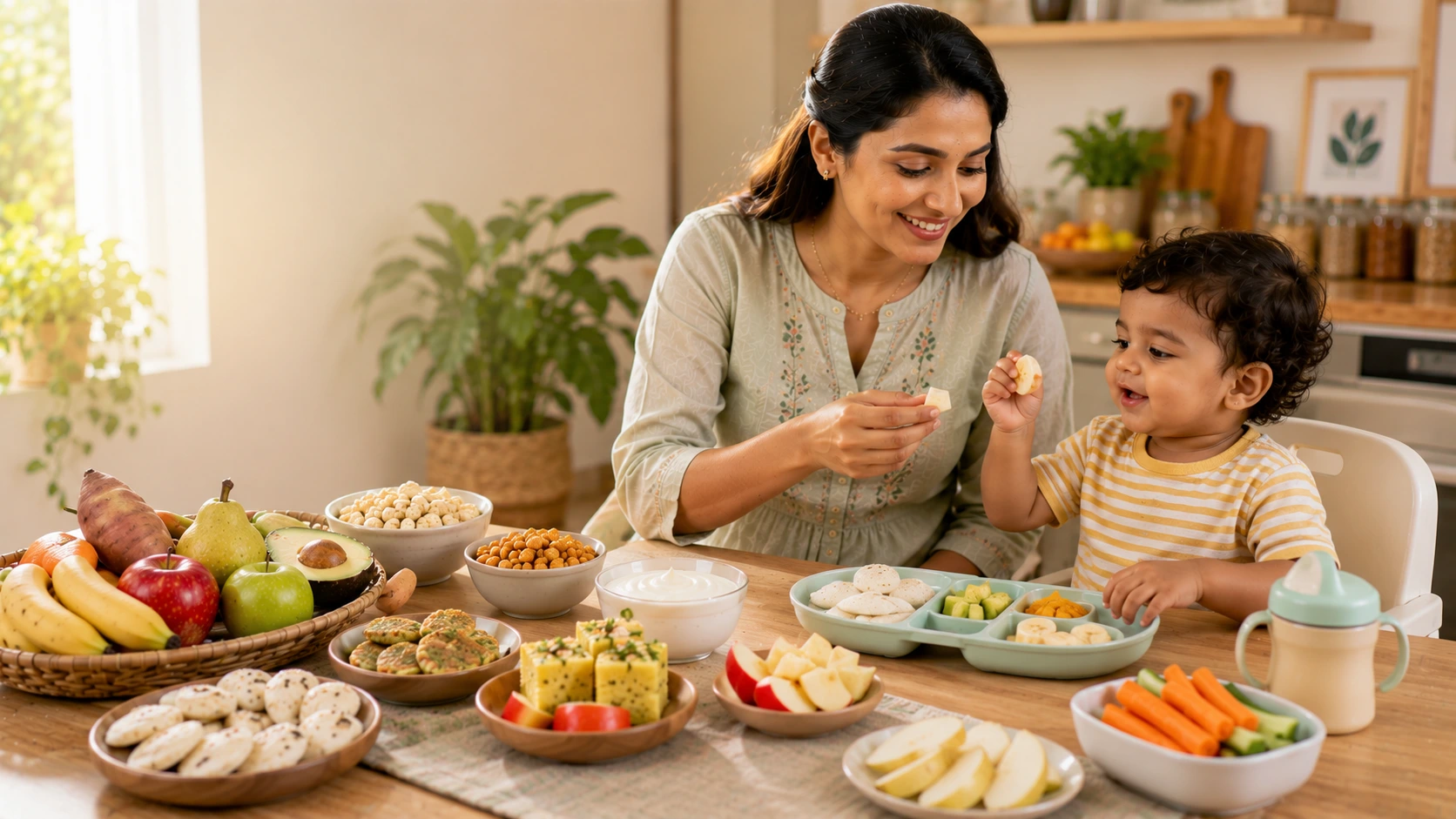
Many parents worry when their toddler suddenly refuses foods they once enjoyed. Searching for healthy snacks for picky eaters often becomes part of everyday parenting, especially when mealtimes feel unpredictable.
The good news is that picky eating is a common stage of development. Most toddlers go through periods where they become selective about textures, flavors, colors, or even how food is presented. Understanding the reasons behind these behaviors can help parents build confidence while supporting toddler nutrition, child nutrition, and long-term healthy eating habits.
Rather than focusing on perfection, many experts encourage consistent exposure to nutritious foods, positive mealtime experiences, and realistic expectations.
Why Toddlers Become Picky Eaters
Picky eating often develops as toddlers become more independent.
As children grow, they begin making choices, expressing preferences, and exploring their environment. Food is one area where they can practice that independence.
Quick Answer
Toddlers often become picky eaters because of developmental changes, growing independence, appetite fluctuations, and sensitivity to new foods.
Common Reasons for Picky Eating
- Preference for familiar foods
- Sensitivity to texture
- Changing appetite
- Desire for independence
- Fear of unfamiliar foods
Parent Scenario
A two-year-old who previously enjoyed vegetables may suddenly reject them for several weeks. This behavior is often a normal developmental phase rather than a sign of poor parenting.
Signs of Typical Picky Eating
- Prefers familiar foods
- Eats well on some days and less on others
- Rejects foods temporarily
- Requests the same foods repeatedly
Common Mealtime Mistakes Parents Make
Parents naturally want their children to eat well. However, some common habits can unintentionally increase resistance to food.
Do and Don’t Table
| Helpful Approaches | Less Helpful Approaches |
| Offer variety regularly | Force children to eat |
| Stay calm during meals | Create pressure around food |
| Model healthy eating | Use food as punishment |
| Keep routines consistent | Offer unlimited alternatives |
Parent Insight
Many families find that reducing pressure helps children become more willing to explore new foods over time.
Mealtime Checklist
- Keep meals predictable
- Offer familiar and new foods together
- Avoid turning meals into negotiations
- Focus on consistency
Supporting healthy eating habits for kids often starts with creating a positive food environment rather than trying to control every bite.
Snacks That Toddlers Usually Accept Easily
Many toddlers respond well to simple foods with familiar flavors and textures.
Toddler-Friendly Snack Ideas
| Food | Why Toddlers Often Like It |
| Banana slices | Soft texture |
| Yogurt | Familiar taste |
| Soft fruit pieces | Easy to eat |
| Idli cubes | Mild flavor |
| Paneer cubes | Soft and filling |
| Steamed sweet potato | Naturally sweet |
These foods can support healthy toddler food, healthy food for kids, and overall nutrition for growing children.
Healthy Indian Snack Options
- Soft idli
- Banana pieces
- Dahi with fruit
- Vegetable poha
- Paneer cubes
- Homemade chilla strips
- Roasted makhana for older toddlers
These are often included among the best foods for toddlers and practical healthy food ideas for children.
Texture, Familiarity, and Flavor Explained
Many parents focus only on nutrition, but toddlers often make food decisions based on sensory experiences.
Three Factors That Influence Acceptance
Texture
Some toddlers prefer soft foods while avoiding crunchy or mixed-texture foods.
Familiarity
Children often need repeated exposure before accepting a new food.
Flavor
Mild flavors are usually easier for toddlers to accept initially.
Parent Example
A toddler may reject carrots when served alone but happily eat them when mixed into soft khichdi.
Food Acceptance Tips
- Introduce foods gradually
- Pair new foods with familiar foods
- Offer foods in different forms
- Avoid pressure
These approaches can support healthy eating for toddlers and reduce mealtime frustration.
Nutrient-Dense Foods for Picky Kids
Even small portions can contribute to balanced nutrition when nutrient-dense foods are included regularly.
Nutrient-Rich Food Table
| Food | Key Nutritional Benefit |
| Eggs | Protein |
| Paneer | Calcium and protein |
| Lentils | Protein and fiber |
| Fruits | Vitamins |
| Vegetables | Nutrient variety |
| Yogurt | Calcium |
These foods support foods for child growth, healthy nutrition for kids, and child wellness nutrition.
Parent Checklist
Try to include:
- Protein sources daily
- Fruits regularly
- Vegetables in different forms
- Whole grains
- Dairy or alternatives where appropriate
Quick Reminder
Small consistent improvements often matter more than occasional perfect meals.
How to Reduce Food Battles at Home
Food battles can increase stress for both parents and children.
Strategies That Often Help
- Serve meals at consistent times
- Allow children to decide how much to eat
- Offer choices within healthy options
- Avoid bribing with sweets
- Keep meal conversations positive
Parent Scenario
Instead of asking, “Why won’t you eat your vegetables?” a parent may offer a choice between cucumber sticks and carrot sticks.
Stress-Reduction Checklist
- Stay calm
- Avoid pressure
- Focus on routines
- Celebrate small wins
- Encourage exploration
Families working on how to improve kids eating habits often find that consistency works better than constant persuasion.
Easy Healthy Snack Ideas for Toddlers
Busy schedules often require simple and practical snack solutions.
Quick Snack Ideas
| Homemade Options | Ready-to-Carry Options |
| Fruit slices | Age-appropriate packaged snacks |
| Yogurt | Simple fruit pouches |
| Paneer cubes | Convenient travel snacks |
| Vegetable sticks | Easy-to-carry options |
| Homemade chilla strips | Portion-controlled snacks |
These options can support healthy snacks for toddlers, healthy snacks for kids, and healthy snacks for children.
Busy Parent Solutions
Many parents searching for healthy snacks for working parents, healthy packaged snacks for school kids, and healthy ready to eat toddler snacks look for options that balance convenience with nutrition.
Some parents prefer ready-to-eat healthy snack options to reduce stress around picky eating.
Brands such as Tiny Tums reflect the growing preference for ingredient transparency, preservative-free nutrition, and convenient solutions designed around modern parenting needs.
When Parents Should Seek Expert Advice
Most picky eating phases improve with time and consistency.
However, professional guidance may be helpful if parents notice ongoing feeding concerns.
Consider Seeking Advice If
- A child refuses entire food groups consistently
- Growth concerns arise
- Feeding becomes highly stressful
- Food variety becomes extremely limited
Parent Reassurance
Picky eating is often a normal developmental stage. Most children gradually expand their food preferences when given supportive and pressure-free opportunities to explore food.
Building confidence around healthy snacks for picky eaters, balanced diet for toddlers, and positive feeding experiences can help families create healthier long-term eating habits.
Tiny Tums and similar wellness-focused brands reflect the growing demand for ingredient transparency, parent reassurance, and nutrition choices that support healthier beginnings.
References
- UNICEF – Feeding Your Baby and Young Child
https://www.unicef.org/parenting/food-nutrition - World Health Organization (WHO) – Infant and Young Child Feeding
https://www.who.int/news-room/fact-sheets/detail/infant-and-young-child-feeding
FAQs
Why are toddlers picky eaters?
Toddlers often become picky eaters because of developmental changes, increasing independence, texture preferences, and changing appetites. This stage is common and usually temporary.
What snacks help picky eaters?
Simple options such as fruit slices, yogurt, paneer cubes, soft vegetables, and other healthy snacks for picky eaters are often well accepted by toddlers.
How can parents improve toddler eating habits?
Parents can support better eating habits by maintaining routines, reducing pressure around meals, offering food variety, and modeling positive eating behaviors.
What foods should picky toddlers eat?
Foods that support healthy toddler food, child nutrition, and nutrition for growing children include fruits, vegetables, dairy products, whole grains, lentils, eggs, and other nutrient-rich foods appropriate for the child’s age.