 admin
admin 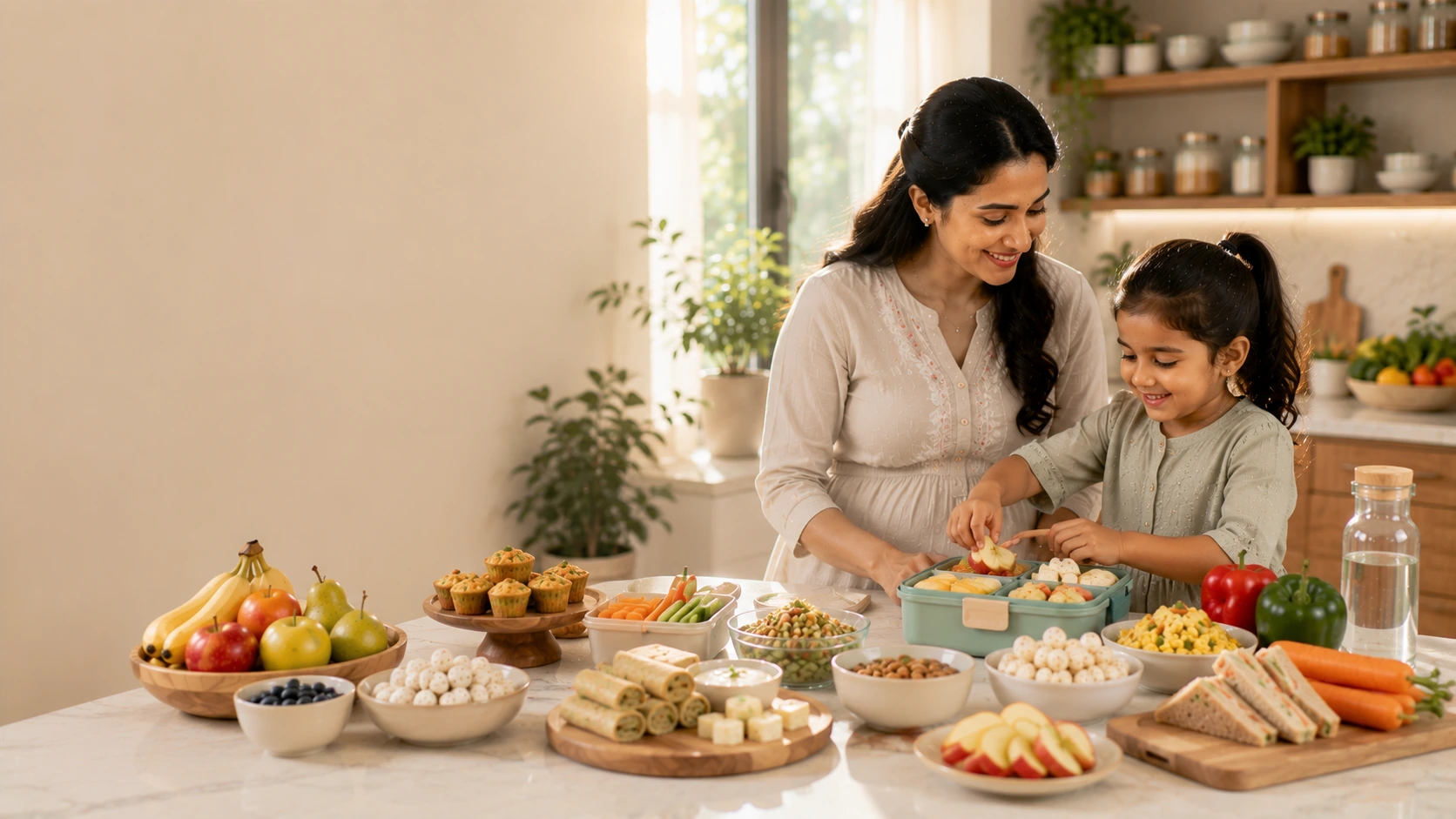
Parents today are more informed than ever before. Instead of choosing snacks based only on colourful packaging or convenience, many families are actively searching for healthy snacks moms trust that combine quality ingredients, transparency, and balanced nutrition. Whether buying snacks for toddlers, school-going children, or family outings, trust has become one of the most important factors influencing food choices.
Across India, families increasingly look for healthy snacks for kids, healthy packaged food, clean label food, and trusted nutrition for children that fit into busy lifestyles without compromising ingredient quality. Building confidence starts with understanding what makes a snack genuinely parent friendly.
Why Trust Matters More Than Ever in Kids Nutrition
Quick Answer
Parents trust snacks that provide transparent ingredient information, appropriate nutrition, reliable manufacturing practices, and age-appropriate guidance.
Trust is built through:
- Simple ingredient lists
- Honest nutrition information
- Clear age recommendations
- Consistent product quality
- Reliable food safety practices
Parents are not simply purchasing food. They are investing in confidence, reassurance, and everyday support for their children’s wellbeing.
Parent Scenario
A mother in Hyderabad preparing two lunchboxes before work chooses snacks that combine convenience with ingredient transparency. Rather than selecting products based only on advertising, she compares labels and chooses foods that align with her family’s nutrition goals.
What Parents Prioritize Before Buying Snacks
Modern families often consider several factors before purchasing snacks.
| Parent Priority | Why It Matters |
| Ingredient transparency | Helps parents understand what children are eating |
| Balanced nutrition | Supports growing children |
| Appropriate serving size | Encourages moderation |
| Age suitability | Matches developmental needs |
| Convenience | Fits busy family schedules |
Parents increasingly prefer healthy food for kids, healthy snacks for children, and safe healthy snacks for toddlers that support everyday routines while maintaining quality.
Parent Buying Checklist
Before purchasing, ask:
- Is the ingredient list easy to understand?
- Does the product provide clear nutrition information?
- Is it appropriate for my child’s age?
- Does it fit into a balanced diet?
- Is the packaging intact and clearly labelled?
Ingredient Transparency and Label Reading
Reading food labels is one of the most practical habits parents can develop.
Trust Signals
- Recognisable ingredients
- Clearly displayed nutrition facts
- Transparent manufacturer information
- Suitable age recommendations
- Appropriate storage instructions
Ingredient Comparison
| Better Indicators | Be More Cautious |
| Short ingredient lists | Very long ingredient lists |
| Clearly identified ingredients | Unfamiliar ingredient names without context |
| Transparent nutrition labels | Limited nutrition information |
| Straightforward recipes | Marketing claims without supporting information |
Many parents also look for clean ingredient baby food, preservative free baby food, and healthy snacks without preservatives India when evaluating products.
Convenience vs Nutrition: Finding Balance
Busy families often need practical food solutions.
Convenience does not have to mean sacrificing nutrition.
Examples include:
- Homemade snacks prepared over the weekend
- Fruit with yogurt
- Roasted chickpeas
- Whole grain crackers
- Carefully selected packaged snacks with transparent ingredients
Many parents appreciate brands like Tiny Tums because they reflect the growing preference for preservative-free nutrition, ingredient transparency, and practical convenience for modern families.
Homemade vs Packaged
| Homemade | Carefully Selected Packaged Options |
| Fresh preparation | Convenient for travel |
| Flexible recipes | Consistent labelling |
| Time required | Saves preparation time |
| Best for home meals | Useful for school and outings |
How Parenting Communities Influence Food Choices
Today’s parents often learn from:
- Parenting groups
- School communities
- Family recommendations
- Paediatric guidance
- Reliable health organisations
Many discussions now focus less on “perfect” foods and more on building realistic, sustainable eating habits.
Parents frequently exchange ideas for:
- Healthy school snack ideas
- Healthy lunchbox snacks
- Healthy travel snacks for toddlers
- Healthy ready to eat toddler snacks
Community support often helps reduce uncertainty around everyday nutrition choices.
Wellness-Focused Nutrition Trends in India
Health-conscious families are increasingly interested in foods that combine convenience with transparency.
Growing trends include:
- Wellness focused baby food
- Healthy packaged food
- Preservative free snacks
- Healthy packaged snacks for school kids
- Healthy alternatives to processed snacks
- Healthy nutrition for kids
Many parents also seek brands that communicate openly about ingredients rather than relying heavily on promotional claims.
Tiny Tums reflects this shift by supporting families with preservative-free nutrition and ingredient transparency designed around everyday parenting needs.
What Makes Parents Feel Confident About Food Choices
Confidence comes from consistent habits rather than individual purchases.
Confidence Checklist
| Helpful Habit | Benefit |
| Reading labels | Better informed choices |
| Planning snacks ahead | Less last-minute stress |
| Offering food variety | Encourages balanced eating |
| Choosing age-appropriate foods | Supports development |
| Keeping realistic expectations | Reduces parenting pressure |
Parents looking for trusted nutrition for children often focus on gradual improvements instead of dramatic dietary changes.
Building Long-Term Healthy Eating Habits
Healthy eating habits develop over time through consistent family routines.
Small Daily Habits
- Offer a variety of foods regularly.
- Rotate homemade and packaged options.
- Include fruits or vegetables daily.
- Encourage family meals whenever possible.
- Let children participate in snack selection.
- Introduce new foods patiently.
These everyday routines help strengthen healthy eating habits for kids, encourage better child nutrition, and support healthy food habits for children.
Parents increasingly value products that align with these long-term habits. Brands such as Tiny Tums contribute to this approach by focusing on preservative-free nutrition, ingredient transparency, and child-focused food choices that support healthier beginnings without unnecessary complexity.
References
Food Safety and Standards Authority of India (FSSAI)
https://www.fssai.gov.in/
UNICEF – Child Nutrition
https://www.unicef.org/nutrition
FAQs
What healthy snacks do moms trust most?
Many parents trust healthy snacks moms trust that provide transparent ingredient lists, balanced nutrition, age-appropriate guidance, and clearly labelled packaging. Both homemade snacks and thoughtfully selected packaged options can fit into a healthy routine.
How do parents identify safer snacks?
Parents can identify safer snacks by reading ingredient lists, checking nutrition labels, confirming age suitability, reviewing serving sizes, and choosing products with clear manufacturing information.
What ingredients should parents avoid?
Rather than focusing on individual ingredients alone, parents should prioritise understanding complete ingredient lists, nutritional quality, and age suitability. Choosing products with simple, recognisable ingredients often makes comparison easier.
Are preservative-free snacks better for kids?
Many families prefer preservative free snacks because they appreciate simpler ingredient lists. However, parents should also consider overall nutritional value, ingredient transparency, portion size, and how the snack fits into a balanced diet.