 admin
admin 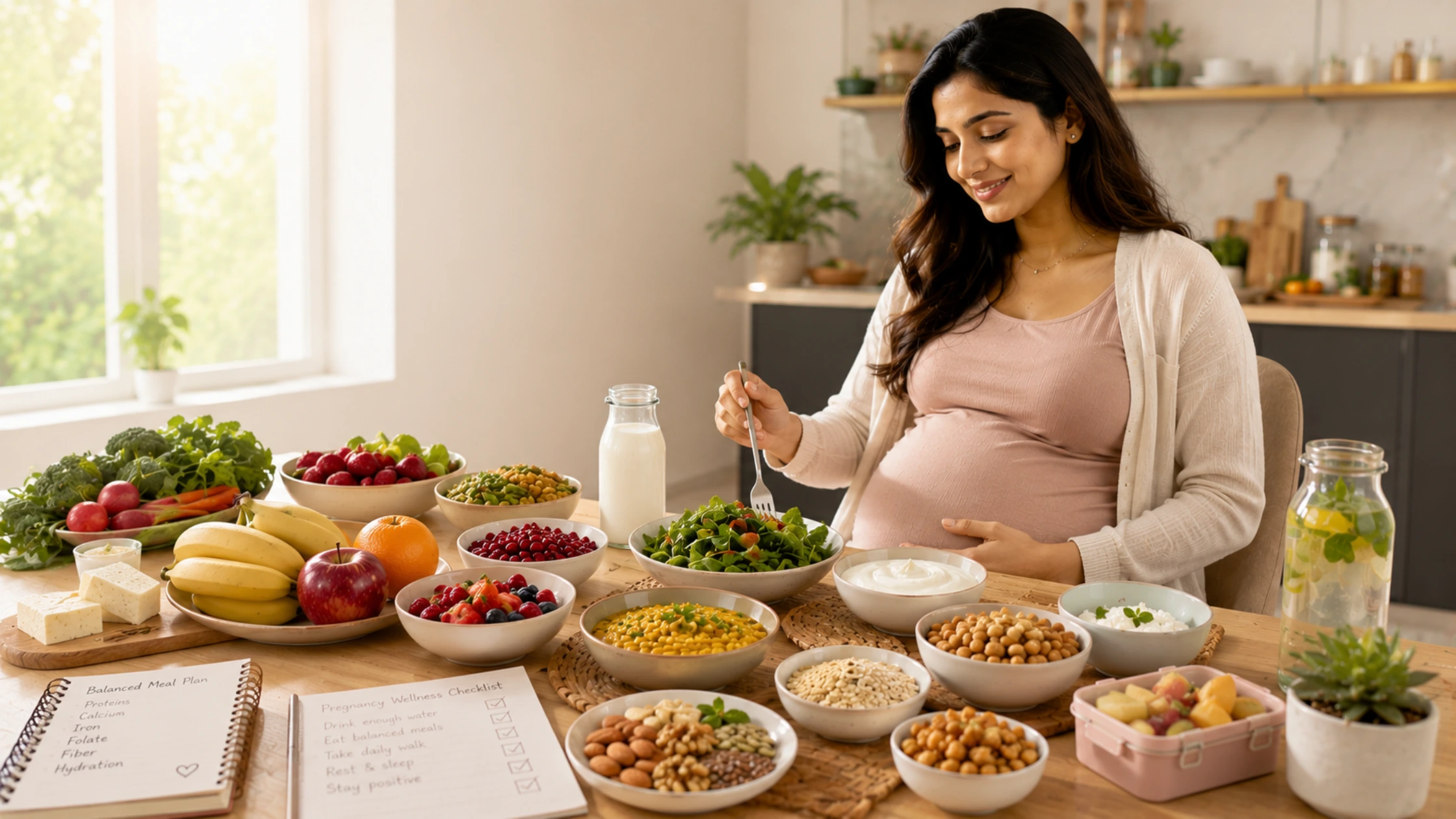
Pregnancy is a time when nutritional needs increase significantly, yet many women find it challenging to consistently meet those requirements. Understanding nutrition for pregnant women can help expecting mothers make informed food choices that support both maternal wellness and healthy baby development.
From busy schedules and changing appetites to food aversions and nutrition confusion, there are many reasons why nutrient gaps can occur during pregnancy. Learning about pregnancy nutrition, foods for healthy pregnancy, and practical ways to improve dietary habits can help mothers feel more confident throughout their pregnancy journey.
For many families, good nutrition is not about following a perfect diet. It is about making consistent choices that support wellness, energy, and overall health.
Why Nutritional Deficiencies Are Common During Pregnancy
Pregnancy increases the body’s demand for several important nutrients.
At the same time, symptoms such as nausea, food aversions, fatigue, and changing appetites can make it more difficult to maintain balanced eating habits.
Common Reasons Nutrient Gaps Occur
- Morning sickness
- Reduced appetite
- Food aversions
- Busy schedules
- Irregular eating patterns
- Limited dietary variety
Quick Answer
Nutritional deficiencies can occur during pregnancy because the body requires more nutrients while pregnancy-related symptoms may make balanced eating more challenging.
Parent Scenario
A working mother may skip meals during a busy day and rely on whatever food is readily available. Over time, these habits can make it more difficult to consistently meet nutritional needs.
Common Challenges Checklist
- Morning nausea
- Limited food variety
- Busy work schedules
- Fatigue affecting meal preparation
- Confusion about what foods to prioritize
Understanding these challenges is the first step toward improving pregnancy diet support and overall wellness.
Iron, Calcium, Protein, and Folate Explained
Several nutrients play especially important roles during pregnancy.
Nutrient Breakdown Table
| Nutrient | Why It Matters | Common Food Sources |
| Iron | Supports blood production | Lentils, spinach, beans |
| Calcium | Supports bone development | Milk, curd, paneer |
| Protein | Supports growth and development | Dal, eggs, dairy |
| Folate | Important during pregnancy | Leafy greens, legumes |
These nutrients are often highlighted in recommendations related to maternal nutrition India, pregnancy nutrition, and overall maternal wellness.
Easy Nutrient-Rich Foods
- Dal and legumes
- Paneer
- Yogurt
- Seasonal fruits
- Leafy green vegetables
- Whole grains
- Nuts and seeds
Nutrient Support Comparison
| Nutrient | Everyday Indian Food Examples |
| Iron | Rajma, spinach, chana |
| Calcium | Milk, paneer, curd |
| Protein | Moong dal, eggs, sprouts |
| Folate | Methi, spinach, legumes |
Building meals around these foods can help support healthy eating during pregnancy.
Symptoms of Poor Nutrition During Pregnancy
Nutritional challenges can sometimes show up through everyday symptoms.
Common Symptoms Associated With Nutrient Gaps
| Symptom | Possible Nutrition Consideration |
| Persistent tiredness | Nutritional intake may need review |
| Reduced energy | Balanced nutrition may be beneficial |
| Difficulty maintaining meal routines | Nutrient intake may vary |
| Reduced appetite | Food variety and meal timing may help |
Important Note
Symptoms can have many causes and should never be self-diagnosed. Persistent concerns should always be discussed with a healthcare professional.
Quick Checklist
If you notice ongoing concerns, consider:
- Reviewing meal variety
- Increasing nutrient-rich foods
- Staying hydrated
- Consulting a healthcare professional
The goal is not to create anxiety but to encourage awareness and informed decision-making.
Indian Foods That Support Maternal Wellness
Traditional Indian foods can provide a strong nutritional foundation during pregnancy.
Foods Commonly Includbed in Pregnancy Diets
- Khichdi
- Dal
- Ragi preparations
- Daliya
- Vegetable upma
- Paneer dishes
- Seasonal fruits
- Yogurt
- Sprouts
These foods often align with recommendations for healthy foods during pregnancy, foods for healthy pregnancy, and pregnancy wellness nutrition.
Healthy Pregnancy Food Ideas
| Meal | Example |
| Breakfast | Vegetable upma with fruit |
| Mid-Morning | Fruit and nuts |
| Lunch | Dal, rice, vegetables, curd |
| Evening Snack | Roasted chana |
| Dinner | Khichdi with vegetables |
This approach can help support balanced eating without requiring complicated meal plans.
Parent Insight
Many mothers find that simple, familiar foods are easier to maintain consistently than highly restrictive diets.
Easy Nutrition Improvements for Busy Mothers
Many women want practical solutions that fit real life.
Easy Improvements
Plan Snacks Ahead
Keeping healthy pregnancy snacks available can help avoid long gaps between meals.
Examples include:
- Fruit
- Roasted chana
- Nuts
- Yogurt
- Whole grain snacks
Focus on Small Changes
Simple improvements often include:
- Adding fruit daily
- Including protein with meals
- Increasing food variety
- Planning snacks in advance
Busy Mother Checklist
- Carry snacks when leaving home
- Include protein at meals
- Stay hydrated
- Avoid skipping meals
- Prioritize nutrient-rich foods
Many mothers also use healthy packaged snacks for pregnancy when schedules make meal preparation difficult.
Some mothers choose nutrition-focused packaged foods to support healthier eating habits during busy schedules.
Hydration and Pregnancy Nutrition
Hydration is often overlooked when discussing nutrition for pregnant women.
Why Hydration Matters
Water supports:
- Digestion
- Nutrient transport
- Daily wellness
- Healthy eating habits
Hydration Tips
- Carry a water bottle
- Drink fluids regularly
- Include water-rich foods
- Set reminders if needed
Hydration Checklist
- Water throughout the day
- Fresh fruits with high water content
- Soups and broths when appropriate
- Consistent fluid intake
Hydration works alongside pregnancy nutrition and should be part of a balanced wellness routine.
Packaged Foods: What’s Safe and What’s Not?
Packaged foods are often part of modern life.
The key is learning how to evaluate them thoughtfully.
What Parents Should Check
- Ingredient transparency
- Nutrition information
- Product quality
- Serving size guidance
- Expiry information
Healthy Packaged Food vs Less Nutritious Choices
| Better Choices | Less Nutritious Choices |
| Transparent ingredient lists | Excessively complex formulations |
| Nutrient-rich foods | Foods with limited nutritional value |
| Clearly labeled products | Unclear product information |
| Practical portion sizes | Frequent overconsumption |
Many mothers seeking healthy packaged food, healthy packaged snacks for pregnancy, and clean nutrition for pregnancy prioritize ingredient transparency and nutritional value.
Brands such as Tiny Tums reflect the growing demand for preservative-free nutrition, clear ingredient labeling, and practical convenience for families.
Quick Label Reading Checklist
- Read ingredients first
- Check nutritional information
- Compare similar products
- Look for clear labeling
When to Seek Professional Guidance
Pregnancy nutrition needs vary from person to person.
Consider Professional Guidance If You Have:
- Persistent appetite concerns
- Dietary restrictions
- Questions about supplements
- Difficulty meeting nutritional goals
- Concerns about food choices
A qualified healthcare provider or nutrition professional can provide personalized recommendations based on individual needs.
Parent Reassurance
Many mothers worry whether they are eating perfectly. In reality, consistency and informed choices often matter more than occasional imperfect meals.
Tiny Tums and similar wellness-focused nutrition brands reflect the growing interest in ingredient transparency, preservative-free nutrition, and supporting healthier beginnings for mothers and children.
References
- World Health Organization (WHO) – Healthy Diet
https://www.who.int/news-room/fact-sheets/detail/healthy-diet
FAQs
Key nutrients commonly discussed in nutrition for pregnant women include iron, calcium, protein, folate, and other nutrients that support maternal wellness and healthy development.
Iron supports increased blood production during pregnancy and is commonly included in recommendations related to pregnancy nutrition and maternal health.
Many foods can contribute to foods for healthy pregnancy, including fruits, vegetables, whole grains, dairy products, legumes, nuts, seeds, and protein-rich foods.
Some packaged foods can fit into a balanced pregnancy diet when they provide nutritional value, ingredient transparency, and appropriate serving sizes.