 admin
admin 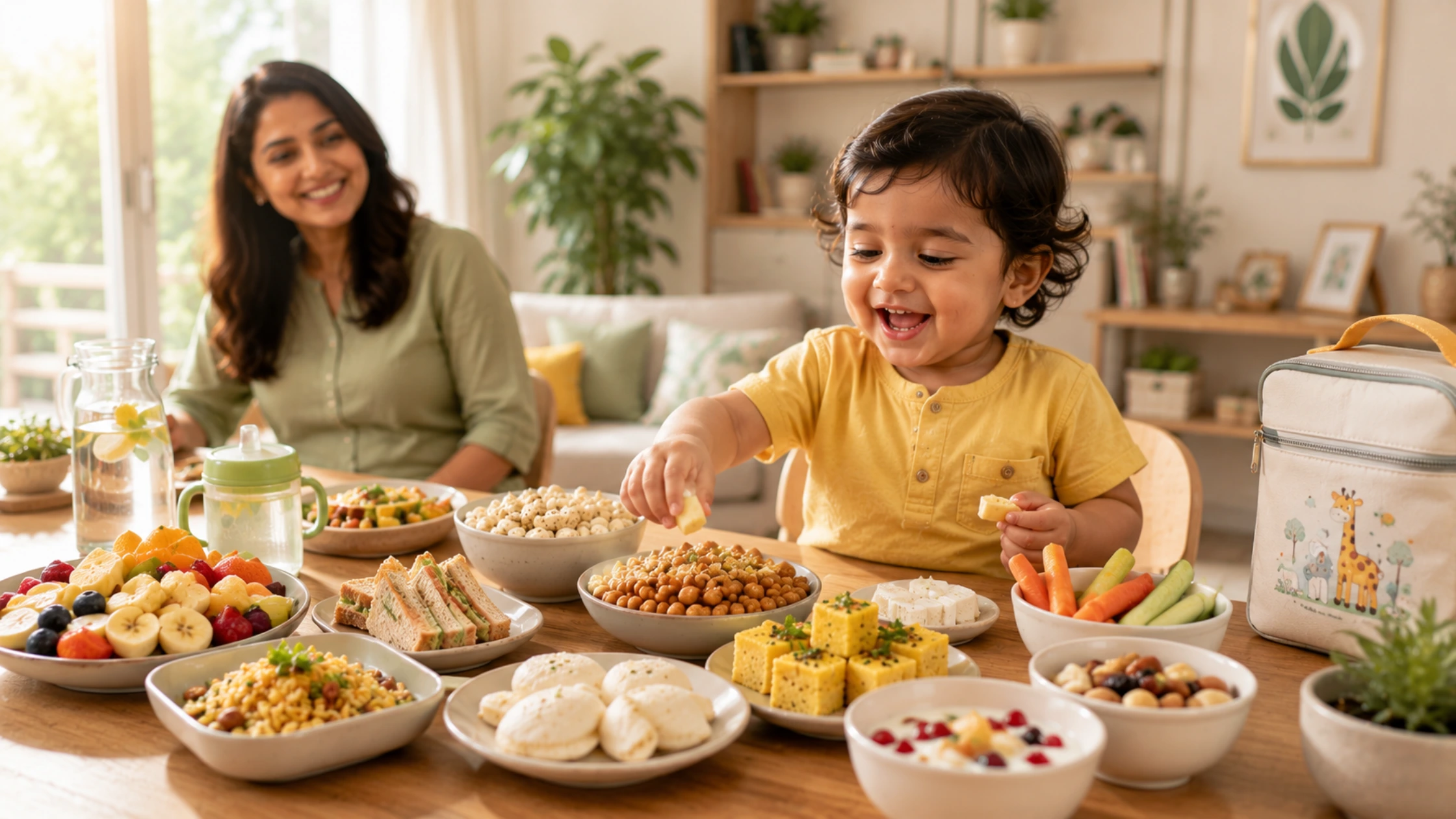
Choosing the right healthy toddler snacks can feel challenging for many parents. Toddlers are growing rapidly, their appetites can change daily, and snack requests often seem endless. At the same time, parents want snacks that support toddler nutrition, encourage healthy eating habits, and fit into busy family routines.
Many families today are looking for healthy snacks for toddlers, healthy snacks for kids, and convenient food options that provide nutrition without relying heavily on highly processed products. Whether you are preparing homemade snacks, packing healthy lunchbox snacks, or exploring healthy packaged food options, understanding what makes a snack nutritious can help build confidence in everyday feeding decisions.
For growing children, snacks are more than small meals between meals. They are opportunities to support energy, development, and positive relationships with food.
Why Toddlers Snack So Frequently
Toddlers are active, curious, and constantly developing new skills.
Because their stomachs are smaller than adults, they often need food more frequently throughout the day.
Quick Answer
Toddlers snack frequently because they need regular energy and nutrients to support growth, development, and activity between meals.
Common Reasons Toddlers Need Snacks
- High energy needs
- Rapid growth and development
- Smaller meal portions
- Busy daily activity
- Developing eating routines
Parent Scenario
A two-year-old may eat only a small breakfast but become hungry again within a few hours. Offering planned healthy snacks for toddlers can help support consistent nutrition throughout the day.
Typical Toddler Eating Pattern
| Time | Example |
| Breakfast | Main meal |
| Mid-Morning | Snack |
| Lunch | Main meal |
| Afternoon | Snack |
| Dinner | Main meal |
Structured eating routines can support both child nutrition and healthy feeding habits.
What Makes a Toddler Snack Healthy?
Not all snacks provide the same nutritional value.
A healthy snack generally offers nutrients that contribute to growth, satiety, and overall wellness.
Characteristics of Healthy Toddler Snacks
- Age-appropriate texture
- Nutritional value
- Simple ingredients
- Suitable portion size
- Easy digestion
Good Snack vs Poor Snack Comparison
| Better Snack Choices | Less Nutritious Choices |
| Fruit and yogurt | Sugar-loaded snacks |
| Roasted chana | Highly processed snacks |
| Whole grain crackers | Excessively salty snacks |
| Fresh fruit | Sugary beverages |
| Homemade vegetable snacks | Foods with little nutritional value |
Healthy Snack Checklist
- Supports toddler nutrition
- Fits into a balanced diet for toddlers
- Provides nutrients rather than only calories
- Suitable for the child’s age and stage
- Supports healthy eating routines
Parents often find that consistency matters more than perfection when building long-term eating habits.
Ingredients Parents Should Watch Closely
Many parents feel overwhelmed by ingredient lists.
Understanding what to look for can simplify shopping and reduce confusion.
What Parents Should Check
- Ingredient transparency
- Nutrition information
- Age suitability
- Portion guidance
- Product quality
Green Flag vs Red Flag Examples
| Green Flags | Red Flags |
| Recognizable ingredients | Difficult-to-understand ingredients |
| Clear nutrition information | Limited nutritional transparency |
| Age-specific guidance | Unclear suitability |
| Simple formulations | Excessive ingredient complexity |
Families seeking healthy snacks without preservatives India, clean label food, and safe healthy snacks for toddlers often focus on ingredient transparency rather than marketing claims alone.
Label Reading Checklist
- Read ingredient lists
- Check nutritional information
- Look for age suitability
- Compare similar products
- Prioritize transparency
These habits can help parents make informed choices without becoming overwhelmed.
Healthy Indian Snack Ideas for Toddlers
Indian households already offer many nutritious snack options that fit naturally into family routines.
Healthy Indian Snack Ideas
- Roasted makhana
- Fruit chaat
- Dhokla
- Idli
- Vegetable poha
- Paneer cubes
- Roasted chana
- Banana slices
- Yogurt with fruit
- Homemade vegetable cutlets
These foods can support healthy food for toddlers, nutrition for growing children, and overall child nutrition.
Toddler-Friendly Texture Examples
| Age Range | Texture Examples |
| 1-2 Years | Soft fruits, mashed vegetables, yogurt |
| 2-3 Years | Small finger foods, soft grains |
| 3-4 Years | More varied textures and family foods |
Healthy School Tiffin Snack Ideas
For older toddlers attending preschool:
- Fruit pieces
- Mini idlis
- Vegetable sandwiches
- Homemade dhokla
- Roasted makhana
These options can work well as healthy snacks for school lunch and support healthy eating routines outside the home.
Ready-to-Eat vs Homemade Toddler Snacks
Many parents wonder whether homemade snacks are always the better choice.
Comparison Table
| Homemade Snacks | Ready-to-Eat Snacks |
| Greater ingredient control | Convenient for busy schedules |
| Flexible preparation | Easy to carry |
| Fresh preparation | Travel-friendly |
| Time required | Convenient storage |
Practical Parent Perspective
Both options can fit into a balanced approach to healthy toddler food when selected thoughtfully.
Questions to ask:
- Is it nutritionally useful?
- Is it appropriate for my child’s age?
- Does it fit my family’s routine?
- Are the ingredients clearly listed?
Many working parents choose a combination of homemade foods and carefully selected packaged products.
Brands such as Tiny Tums reflect the growing demand for preservative-free nutrition, ingredient transparency, and practical convenience for modern families.
Quick Tip
Rather than focusing on whether a snack is homemade or packaged, focus on overall nutritional quality and ingredient transparency.
Travel-Friendly Snack Ideas
Travel often presents additional feeding challenges.
Parents frequently look for portable snacks that are easy to carry and simple to serve.
Travel Snack Checklist
- Fruit
- Roasted makhana
- Whole grain crackers
- Roasted chana
- Yogurt pouches when practical
- Soft fruit bars with simple ingredients
Travel-Friendly Options
| Snack | Why Parents Like It |
| Banana | Easy and portable |
| Roasted chana | Convenient protein source |
| Makhana | Lightweight and easy to carry |
| Fruit cups | Convenient freshness |
| Whole grain snacks | Practical for travel |
Many families seek healthy travel snacks for toddlers, healthy ready to eat toddler snacks, and healthy snacks for working parents that support convenience without compromising nutritional goals.
Snacks That Support Growth and Energy
Snacks can contribute meaningful nutrients when chosen thoughtfully.
Nutrients That Support Growth
| Nutrient | Food Examples |
| Protein | Yogurt, paneer, dal-based snacks |
| Calcium | Dairy products |
| Fiber | Fruits and vegetables |
| Healthy Fats | Nuts and seeds when age appropriate |
| Vitamins | Fresh fruits and vegetables |
These foods support foods for child growth, healthy nutrition for kids, and overall development.
Healthy Snacks vs Junk Food
| Supportive Choices | Occasional Choices |
| Fruits | Highly sugary snacks |
| Yogurt | Sugar-loaded beverages |
| Whole grains | Excessively processed foods |
| Nutritious homemade snacks | Foods with limited nutritional value |
Many parents looking for healthy alternatives to processed snacks and healthy alternatives to junk food for kids find that simple foods often provide the best balance of nutrition and convenience.
Tiny Tums is one example of a maternal and child nutrition brand focused on preservative-free nutrition and ingredient transparency for families seeking healthier options.
Building Better Snacking Habits Early
Healthy habits begin with consistency.
Practical Feeding Strategies
- Maintain regular snack times
- Offer a variety of foods
- Avoid constant grazing
- Encourage family meals
- Introduce new foods gradually
Healthy Habit Checklist
- Follow structured snack times
- Offer balanced food choices
- Encourage food variety
- Model healthy eating behaviors
- Focus on long-term habits
Parent Scenario
A parent worried about picky eating may repeatedly offer the same foods to avoid mealtime struggles. However, gentle and consistent exposure to different foods often helps toddlers become more comfortable trying new options over time.
How to Improve Kids Eating Habits
Many experts recommend:
- Offering foods without pressure
- Repeating exposure to new foods
- Keeping mealtimes positive
- Demonstrating healthy eating behaviors
These strategies support healthy eating habits for kids, healthy food habits for children, and positive relationships with food.
As families continue building healthy routines, many seek healthy snacks moms trust, best healthy snacks for toddlers India, and products that balance nutrition, convenience, and ingredient transparency. Tiny Tums reflects this growing focus on child wellness, parent reassurance, and healthier beginnings.
References
- UNICEF – Nutrition and Child Development
https://www.unicef.org/nutrition
FAQs
Healthy toddler snacks include fruits, yogurt, roasted chana, whole grain snacks, vegetable-based snacks, and other nutrient-rich foods that support toddler nutrition and healthy growth.
Not necessarily. Some packaged snacks can fit into a balanced diet when they provide nutritional value, ingredient transparency, and age-appropriate nutrition.
Parents may wish to be cautious about products with unnecessarily complex ingredient lists, limited nutritional value, or unclear labeling while prioritizing transparency and quality.
Healthy Indian snack options include roasted makhana, dhokla, idli, fruit chaat, vegetable poha, paneer cubes, roasted chana, and yogurt-based snacks that support healthy food for toddlers and overall nutrition.