 admin
admin 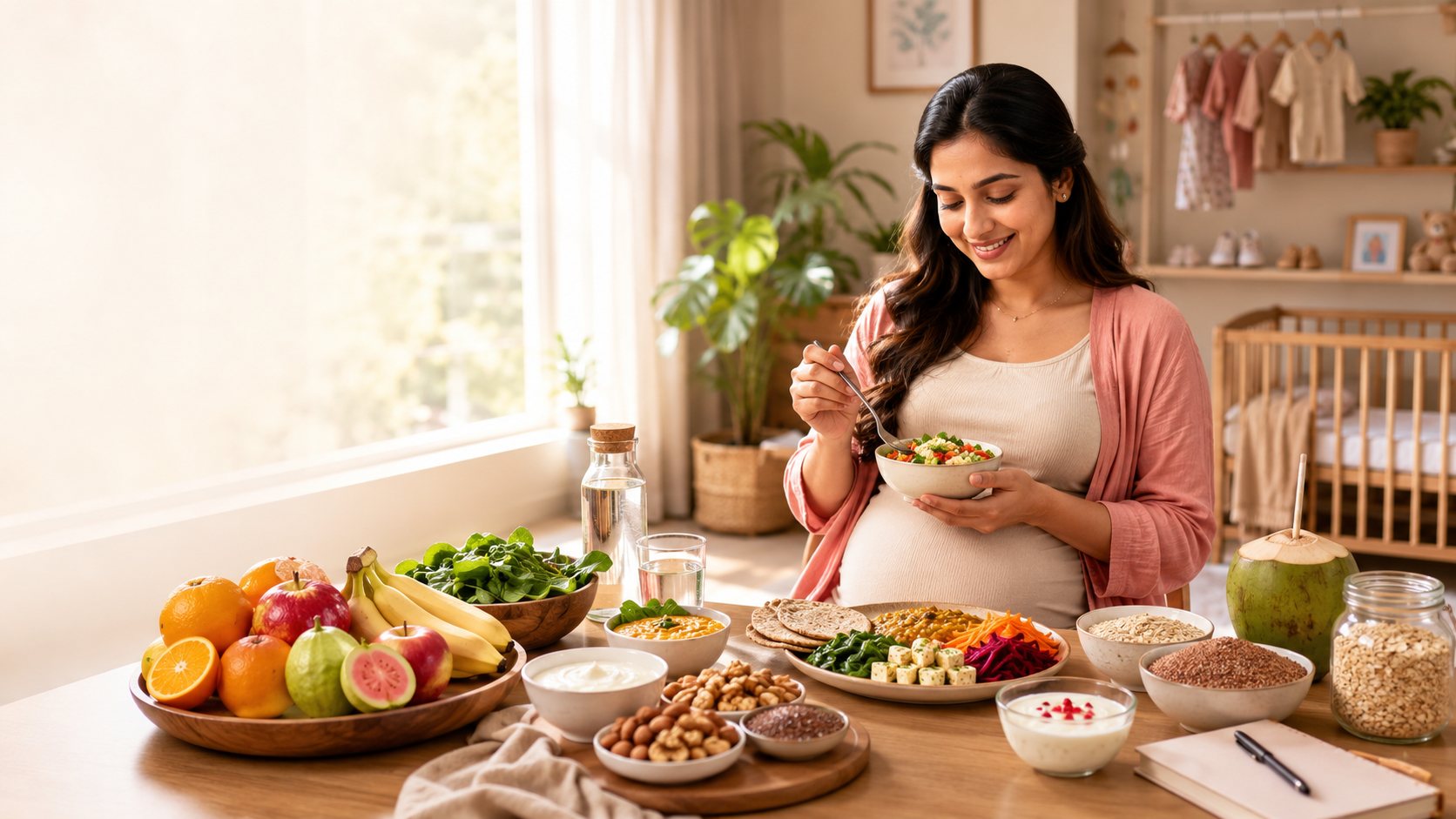
Pregnancy is one of the most important stages in a woman’s life, and making informed food choices can support both maternal wellness and baby development. Understanding pregnancy nutrition helps mothers navigate changing nutritional needs, food cravings, and everyday meal planning with greater confidence.
Many women have questions about nutrition for pregnant women, including which foods are beneficial, what nutrients matter most, and how to practice healthy eating during pregnancy without feeling overwhelmed. The good news is that a balanced approach focusing on nutrient-rich foods, hydration, and consistency can help support a healthy pregnancy journey.
Whether you are in your first trimester or preparing for delivery, understanding foods for healthy pregnancy, safe foods for pregnancy, and practical meal planning strategies can make daily nutrition decisions easier and more reassuring.
Why Pregnancy Nutrition Matters More Than Ever
During pregnancy, the body works continuously to support the growth and development of the baby while maintaining the mother’s own health and energy levels.
Good pregnancy nutrition helps support:
- Healthy fetal growth and development
- Maternal energy requirements
- Bone and muscle development
- Blood production
- Immune function
- Overall pregnancy wellness
Many families today are also becoming more conscious about ingredient quality, seeking clean nutrition for pregnancy, minimally processed foods, and balanced eating habits.
Quick Answer: Why Is Pregnancy Nutrition Important?
Pregnancy nutrition provides the nutrients needed to support maternal health and baby development throughout pregnancy. A balanced diet helps ensure mothers receive essential vitamins, minerals, protein, healthy fats, and carbohydrates required during each stage of pregnancy.
Essential Nutrients Needed During Pregnancy
Certain nutrients play a particularly important role during pregnancy.
Pregnancy Nutrient Requirement Table
| Nutrient | Why It Matters | Common Indian Food Sources |
| Folate | Supports early baby development | Spinach, methi, lentils, beans |
| Iron | Supports blood production | Jaggery, dates, spinach, legumes |
| Calcium | Supports bone development | Milk, curd, paneer, ragi |
| Protein | Supports growth and tissue development | Dal, paneer, eggs, fish, chicken |
| Vitamin D | Supports calcium absorption | Sunlight, fortified foods |
| Omega-3 Fatty Acids | Supports brain development | Walnuts, flaxseeds, fatty fish |
| Fiber | Supports digestion | Fruits, vegetables, whole grains |
| Iodine | Supports thyroid health | Iodized salt, dairy products |
These nutrients form the foundation of effective pregnancy wellness nutrition and long-term maternal health.
Trimester-Based Nutrition Focus
| Trimester | Nutrition Priority |
| First Trimester | Folate, hydration, managing nausea |
| Second Trimester | Protein, calcium, iron |
| Third Trimester | Iron, protein, healthy fats, energy support |
Understanding trimester-specific needs can make pregnancy diet support more practical and manageable.
Foods That Support Healthy Baby Development
A balanced diet built around whole foods is often the simplest approach to supporting healthy development.
Foods to Include Regularly
| Food Group | Examples |
| Fruits | Bananas, oranges, guava, apples |
| Vegetables | Spinach, carrots, pumpkin, beetroot |
| Whole Grains | Oats, brown rice, millet, whole wheat |
| Protein Sources | Dal, beans, eggs, paneer, fish |
| Healthy Fats | Nuts, seeds, avocado |
| Dairy | Milk, curd, paneer |
These foods contribute to healthy foods during pregnancy and provide essential nutrients for daily wellness.
Healthy Pregnancy Snack Ideas
Between meals, many women benefit from balanced healthy pregnancy snacks that provide energy and nutrients.
Examples include:
- Roasted chana
- Mixed nuts
- Fruit with yogurt
- Whole grain crackers
- Homemade vegetable sandwiches
- Sprouts chaat
- Peanut butter on whole wheat toast
These can also serve as nutritious snacks for pregnant women when hunger increases throughout the day.
Parent-Friendly Tip
Many expecting mothers juggle work, household responsibilities, and changing energy levels. Keeping simple healthy snacks during pregnancy readily available can help avoid long gaps between meals.
Common Pregnancy Nutrition Mistakes
Many nutrition challenges stem from misinformation rather than lack of effort.
Common Mistakes to Avoid
1. Skipping Meals
Long gaps between meals can lead to fatigue and make it harder to maintain consistent nutrient intake.
2. Relying Only on Cravings
While cravings are common, balanced meals remain important for overall nutrition for pregnant women.
3. Ignoring Hydration
Water plays a critical role in digestion, circulation, and overall wellness.
4. Overconsuming Highly Processed Foods
Frequent consumption of heavily processed foods may reduce dietary variety and nutrient density.
5. Following Unverified Online Advice
Nutrition guidance should ideally come from healthcare professionals, qualified nutritionists, or credible health organizations.
Myth vs Fact
| Myth | Fact |
| You need to eat for two | Nutrient quality matters more than simply eating more food |
| All packaged foods are unhealthy | Some healthy packaged snacks for pregnancy can fit into a balanced diet |
| Carbohydrates should be avoided | Whole grain carbohydrates provide valuable energy |
| Cravings should always be satisfied | Balance and moderation remain important |
Indian Foods That Support Pregnancy Wellness
Indian cuisine naturally offers many nutrient-rich options that support maternal nutrition India needs.
Traditional Indian Foods Commonly Included in Pregnancy Diets
- Khichdi
- Moong dal
- Ragi porridge
- Vegetable upma
- Idli and sambar
- Daliya
- Curd rice
- Paneer dishes
- Seasonal fruits
These foods often align well with foods for healthy pregnancy because they provide a mix of carbohydrates, protein, vitamins, and minerals.
Sample One-Day Pregnancy Meal Plan
| Meal | Example |
| Breakfast | Vegetable upma with fruit |
| Mid-Morning Snack | Nuts and coconut water |
| Lunch | Dal, roti, vegetables, curd |
| Evening Snack | Fruit chaat or sprouts |
| Dinner | Khichdi with vegetables |
| Bedtime | Warm milk |
This type of balanced eating pattern supports healthy eating during pregnancy while remaining realistic for many Indian households.
Safe Packaged Food Choices During Pregnancy
Modern lifestyles often require convenience. Many working mothers look for pregnancy food products and healthy packaged food options that fit into busy schedules.
What to Look for on Labels
Choose foods that:
- Have recognizable ingredients
- Contain minimal additives
- Offer nutritional value
- Have clear labeling
- Prioritize ingredient transparency
Foods to Include vs Avoid
| Include More Often | Limit When Possible |
| Fresh fruits | Highly sugary snacks |
| Nuts and seeds | Deep-fried packaged foods |
| Whole grain snacks | Excessively processed snacks |
| Yogurt | Sugary beverages |
| Clean label food options | Foods with long ingredient lists |
Many parents and mothers today seek preservative free snacks, organic snacks, and products with straightforward ingredient lists.
Brands such as Tiny Tums reflect the growing demand for preservative-free nutrition, ingredient transparency, and practical convenience for modern families.
Pro Tip
When selecting healthy packaged snacks for pregnancy, focus on nutritional quality rather than marketing claims alone.
Pregnancy Nutrition Tips for Busy Working Women
Balancing professional responsibilities and pregnancy can make meal planning challenging.
Practical Strategies
Plan Snacks in Advance
Keep:
- Fruit
- Nuts
- Yogurt
- Roasted seeds
- Whole grain snacks
available throughout the workday.
Build Balanced Meals
Aim to include:
- Protein
- Complex carbohydrates
- Healthy fats
- Fruits or vegetables
in most meals.
Keep Emergency Snacks Handy
Having nutritious snacks nearby can help prevent long periods without eating.
Examples:
- Trail mix
- Roasted chana
- Whole grain crackers
- Fruit cups
Some mothers also choose carefully selected wellness snacks and preservative-conscious products to support convenience without compromising nutrition.
Daily Nutrition Checklist
Use this simple checklist:
- Eat a protein source with major meals
- Include fruits daily
- Include vegetables daily
- Stay hydrated throughout the day
- Include calcium-rich foods
- Include iron-rich foods
- Choose balanced safe foods for pregnancy
- Limit highly processed foods
- Follow healthcare provider recommendations
Small daily habits often contribute more to long-term wellness than occasional perfect meals.
Tiny Tums and similar parent-focused nutrition brands highlight how convenient, preservative-free options can support modern mothers seeking practical nutrition solutions alongside home-cooked meals.
When Should You Consult a Doctor or Nutritionist?
Professional guidance may be helpful if you experience:
- Significant appetite changes
- Persistent nausea affecting food intake
- Food allergies or dietary restrictions
- Questions about supplements
- Concerns about weight gain patterns
- Specialized nutritional needs
A qualified healthcare provider can offer personalized pregnancy diet support based on your health history and pregnancy stage.
Quick Summary
A healthy pregnancy diet generally focuses on:
- Nutrient-rich whole foods
- Adequate protein
- Fruits and vegetables
- Iron-rich foods
- Calcium-rich foods
- Consistent hydration
- Smart snacking choices
- Professional guidance when needed
For mothers seeking convenient options, ingredient transparency and preservative-conscious choices remain important considerations. Many families today prefer brands such as Tiny Tums that align with a growing interest in cleaner nutrition and parent reassurance.
References
- World Health Organization (WHO)
https://www.who.int/news-room/fact-sheets/detail/healthy-diet - NHS UK – Foods to Eat in Pregnancy
https://www.nhs.uk/pregnancy/keeping-well/have-a-healthy-diet/
FAQs
The best foods during pregnancy include fruits, vegetables, whole grains, dairy products, legumes, nuts, seeds, and protein-rich foods such as eggs, paneer, fish, and lentils. These foods help support overall pregnancy nutrition and maternal wellness.
Pregnant women should discuss specific dietary restrictions with their healthcare provider. Generally, food safety, proper hygiene, and choosing safe foods for pregnancy are important considerations throughout pregnancy.
Pregnancy nutrition plays a vital role in supporting maternal health and baby development. Consistent intake of nutrient-rich foods helps provide the vitamins, minerals, protein, and energy needed during pregnancy.
Many traditional Indian foods can support healthy eating during pregnancy, including khichdi, dal, ragi, daliya, curd, paneer, seasonal fruits, vegetables, and whole grain preparations.